RRED clay is tennis’ most exacting and demanding surface. You can run and even slide on it, but you can’t hide. It will find you and expose you and leave its dust all over you.
It’s also tennis’ grandest and most dramatic surface. Not for nothing is it a similar colour to a bullring. But there’s no bull to kill and the matadors come armed only with a racquet, discipline and endurance. Talent and skill? Of course. But that’s not enough to win on red clay.
Roger Federer, the greatest tennis player anyone who’s alive today has seen, won eight Wimbledon singles titles. He was the Australian Open champion six times, and five times at the US Open. The French Open? Once, in 2009.
There’s no hurry on red clay. There is only truth expressed in singularly elegant movement. Dance, as an art form, has never made sense to me. But tennis on red clay makes sense to me as a form of artful dance.
This is serious stuff, and there’s more to it than clay. Building a court starts around 80 centimetres below the surface with a layer of large stones to aid drainage. Then comes about 30 centimetres of crushed gravel for stability, which also serves as a draining agent. Next seven or eight centimetres of clinker — coal or volcanic residue — is laid to help the court retain moisture and stop it from cracking. That is topped with six or seven centimetres of crushed white limestone to afford the players a sturdy surface. Only then do we get to the clay, and only one to two millimetres of the stuff is spread over the limestone. Even so, the clay on one court weighs 1.1 tons.
Small wonder tennis on red clay reaches its zenith, annually, in Paris, a city where beauty is taken seriously and means so much. I’ve long harboured hopes to attend the French Open at Roland-Garros (I’ve checked: the hyphen is correct in this sense) and this year we did.
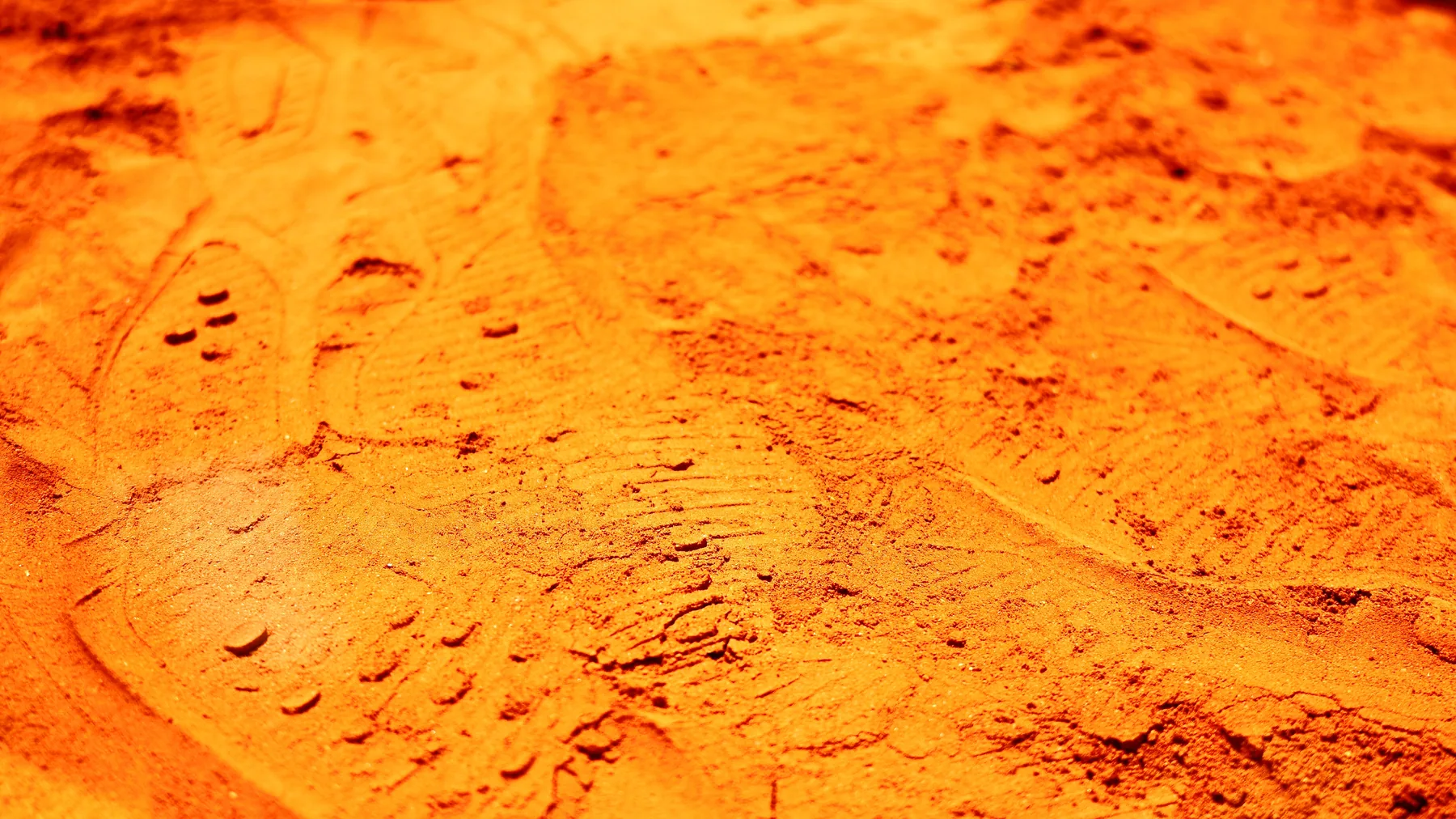
You get clay dust by crushing many, many bricks. A lot of them, in the case of Roland-Garros, come from Touraine some 250 kilometres south-west of Paris. It’s the birthplace of René Descartes and Honoré de Balzac, and a fine place to grow Sauvignon Blanc, Chenin Blanc and Cabernet Franc. But the wine isn't as dry as the clay on the courts. Here it is close up:
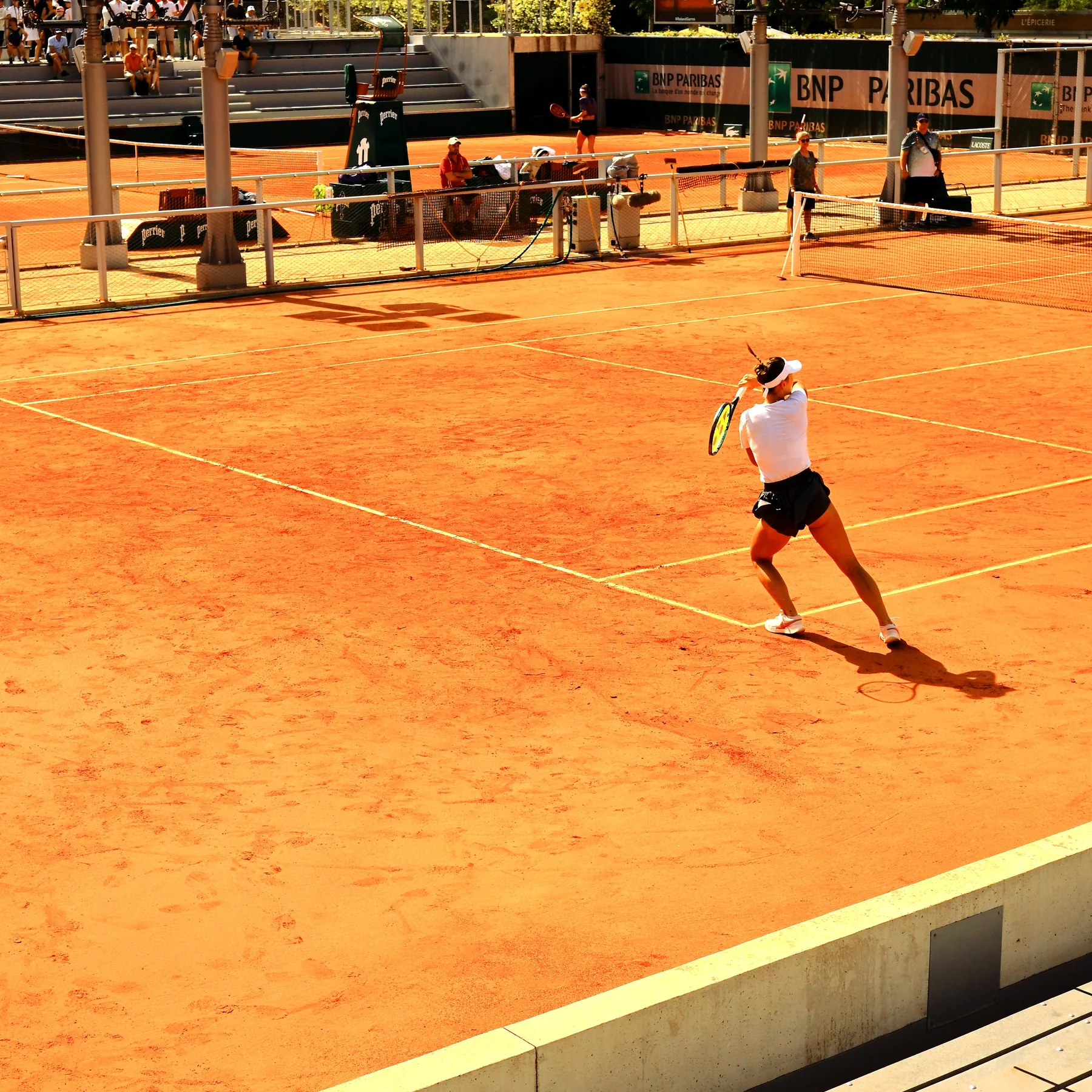
We arrived two hours before the start of play at noon, which allowed for a good look around the practice courts:
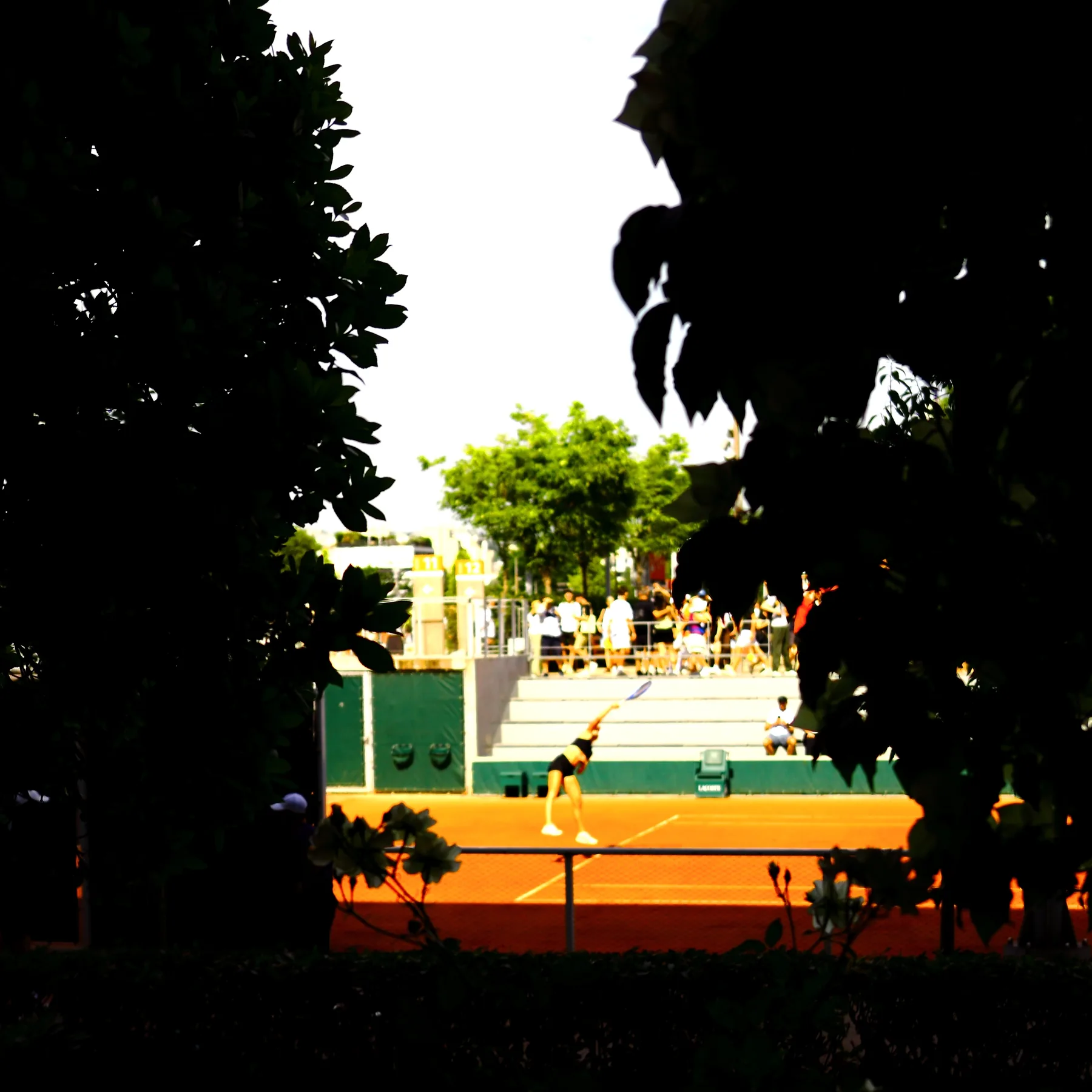
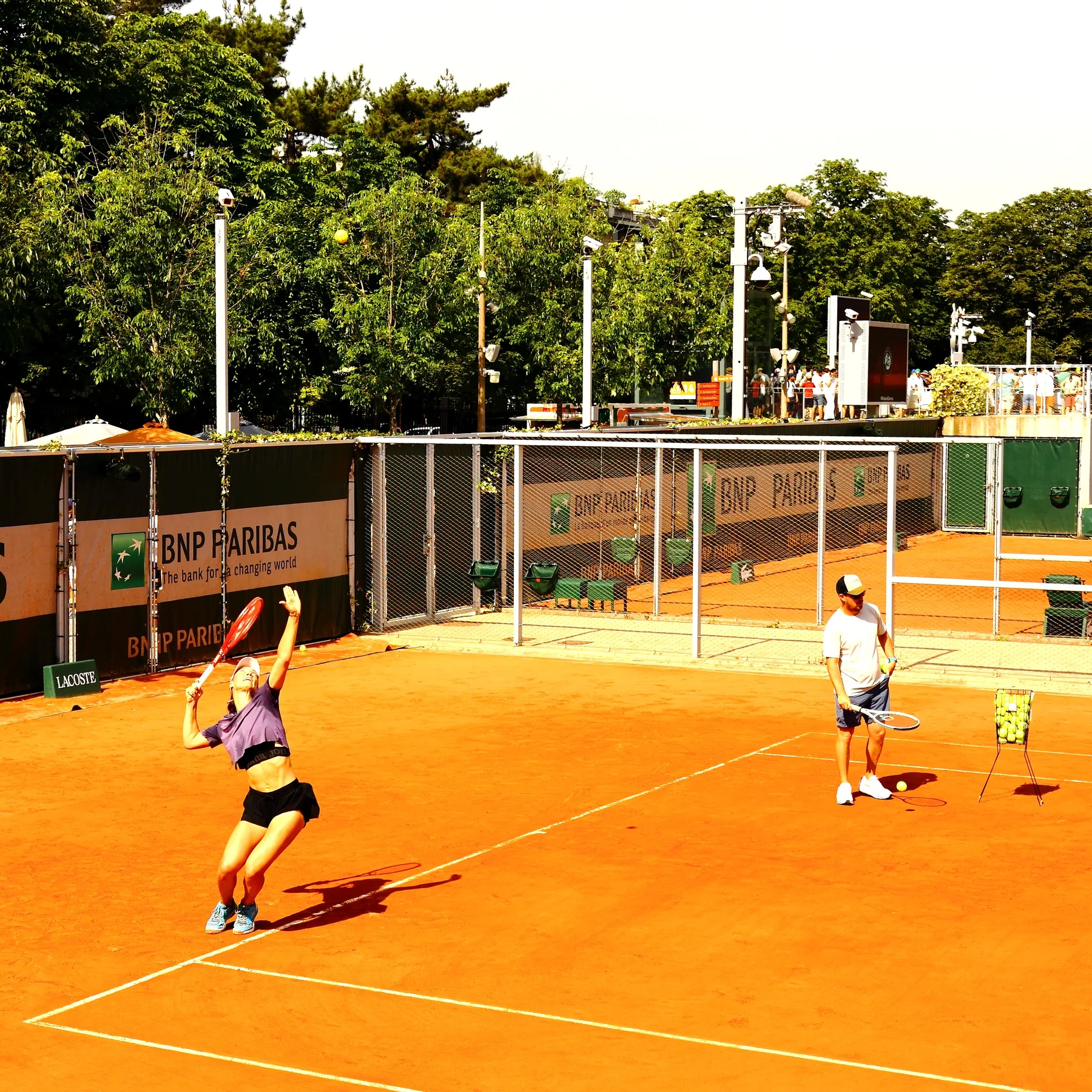
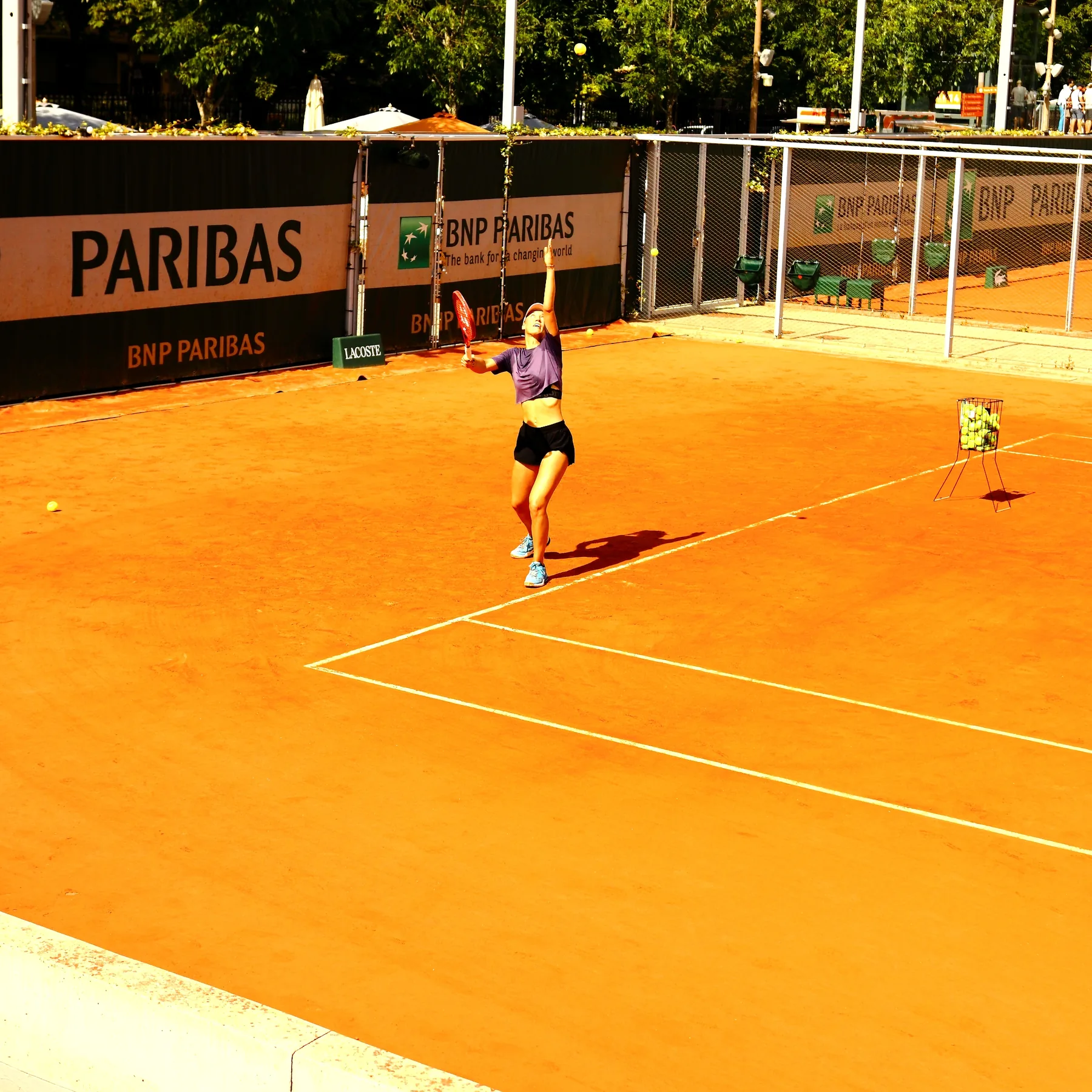
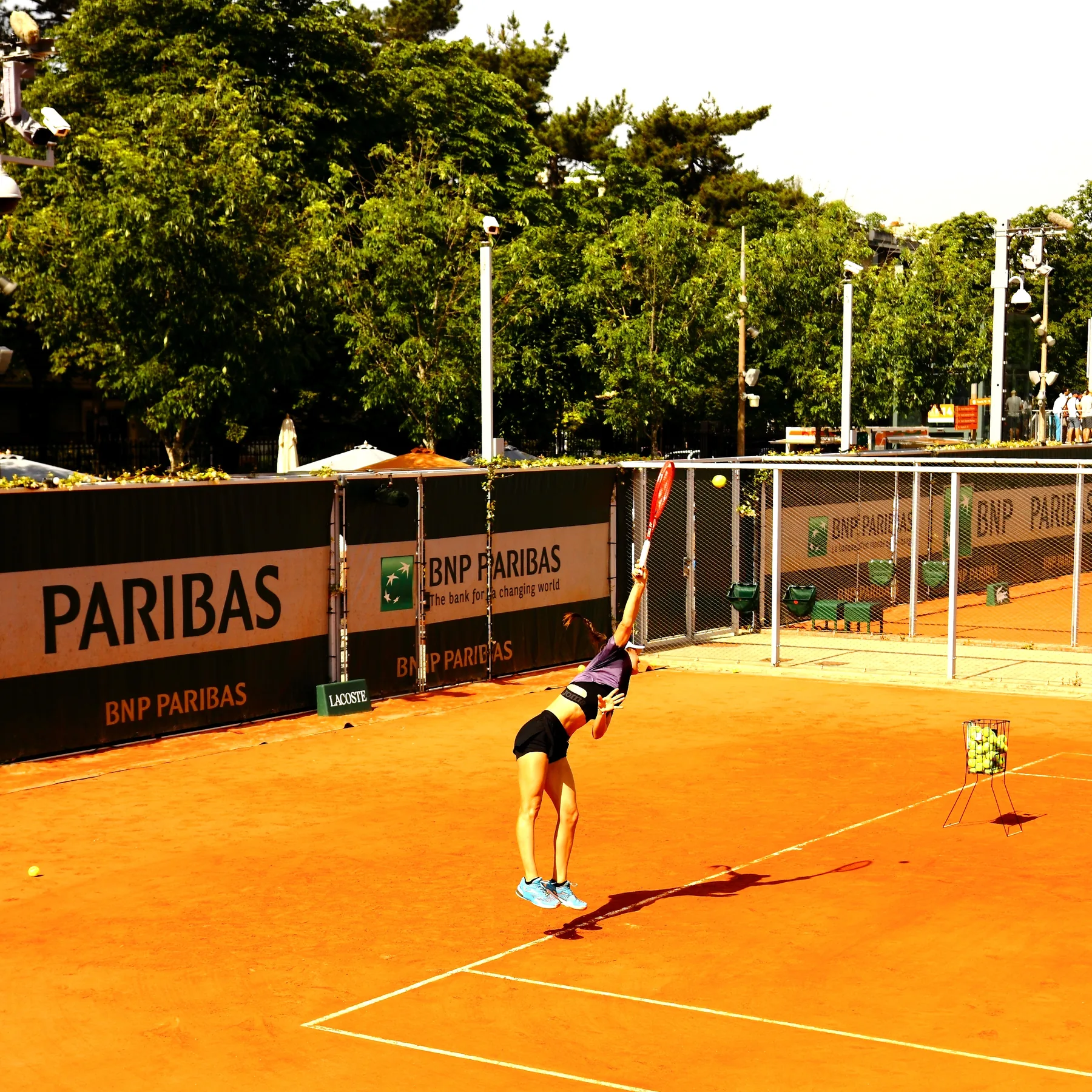
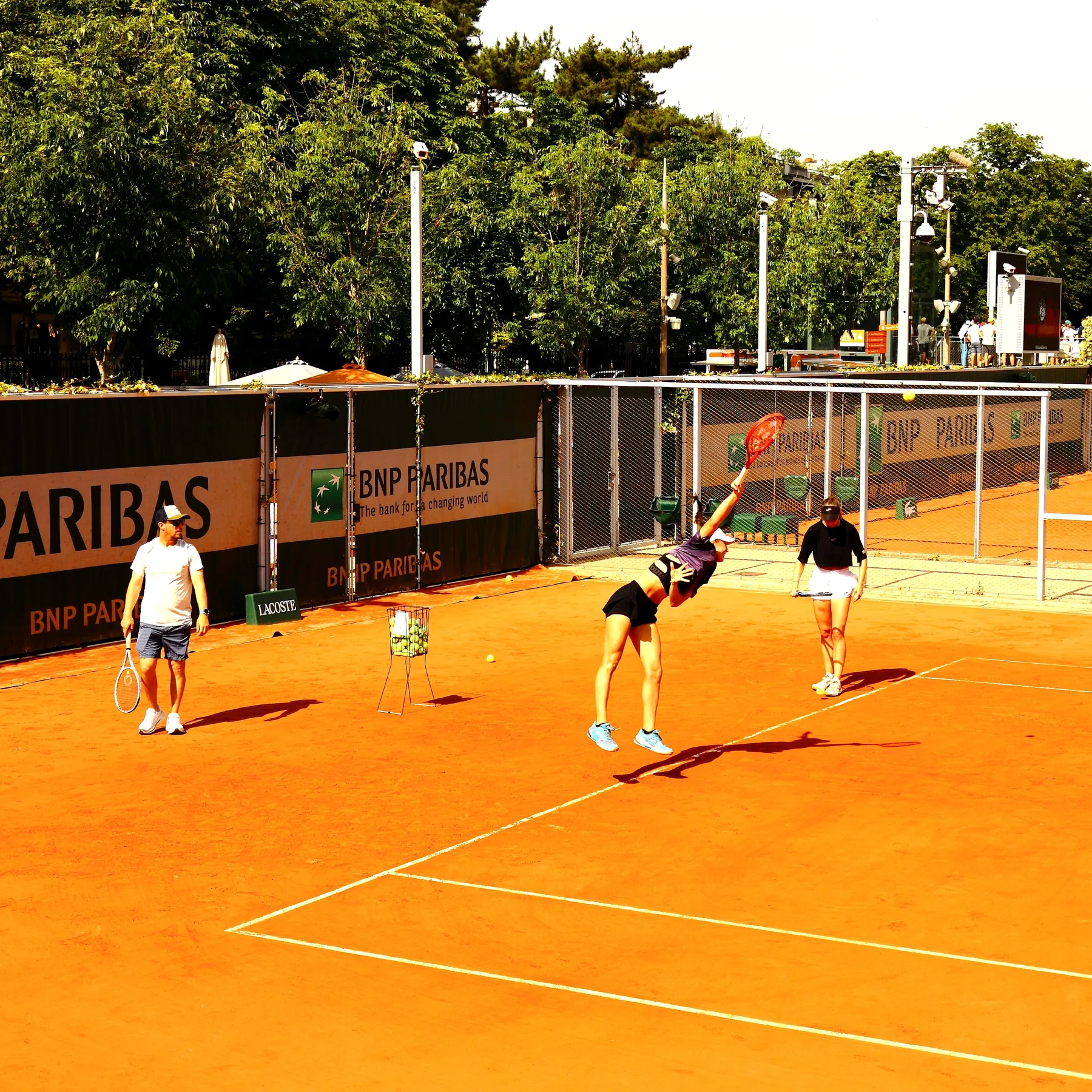
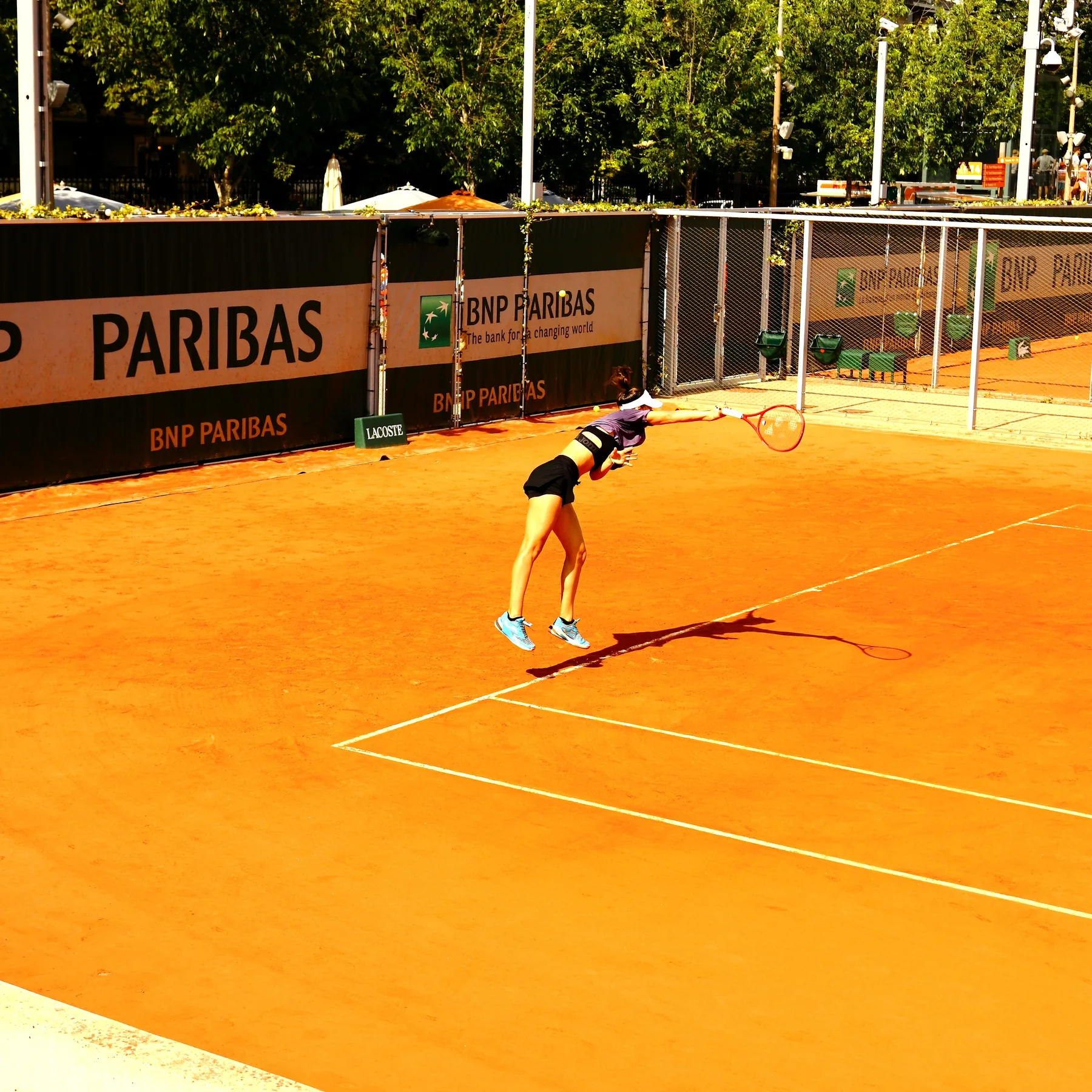
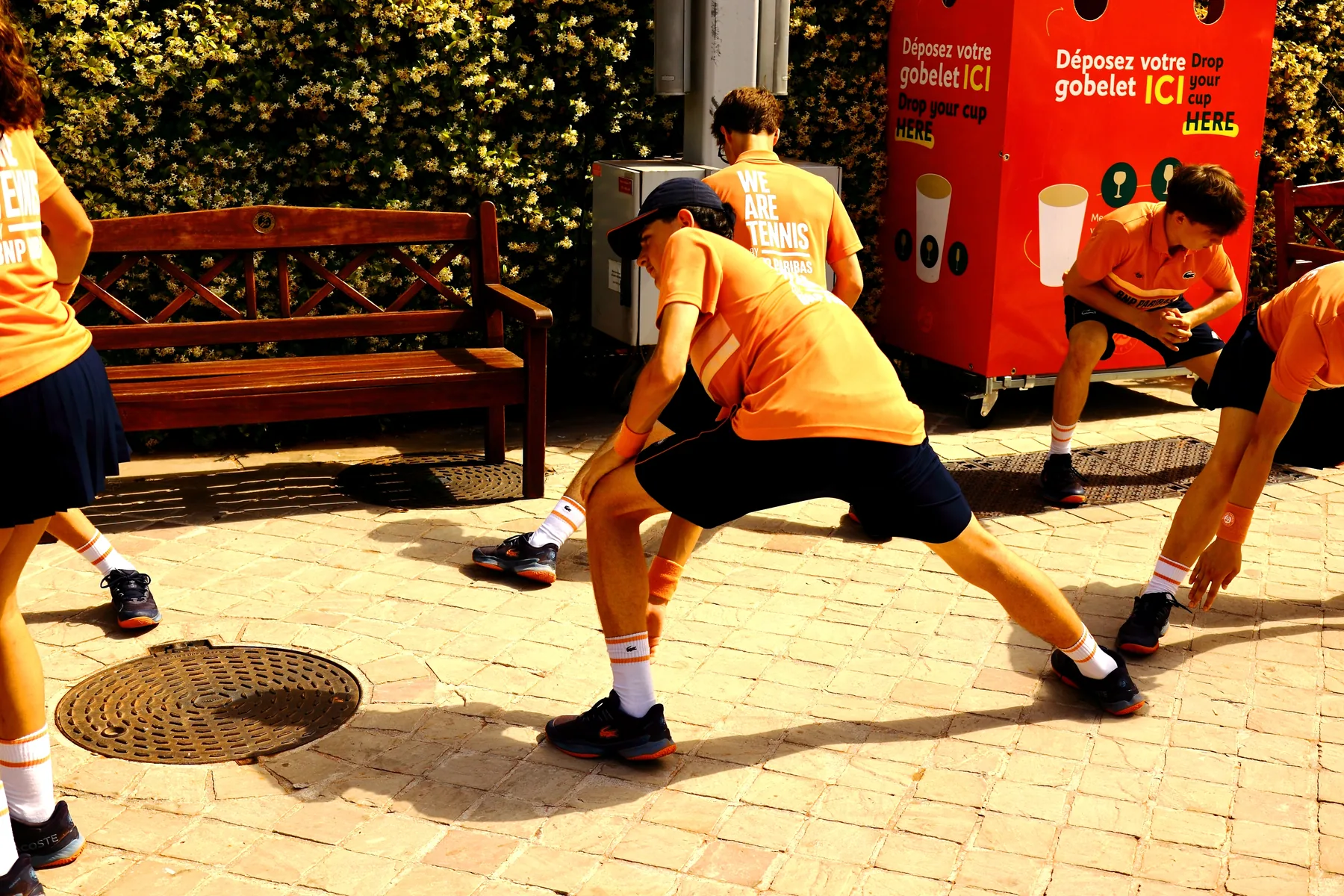
Then we caught our first glimpse of the real stars of the show. Even ball kids need to warm up:
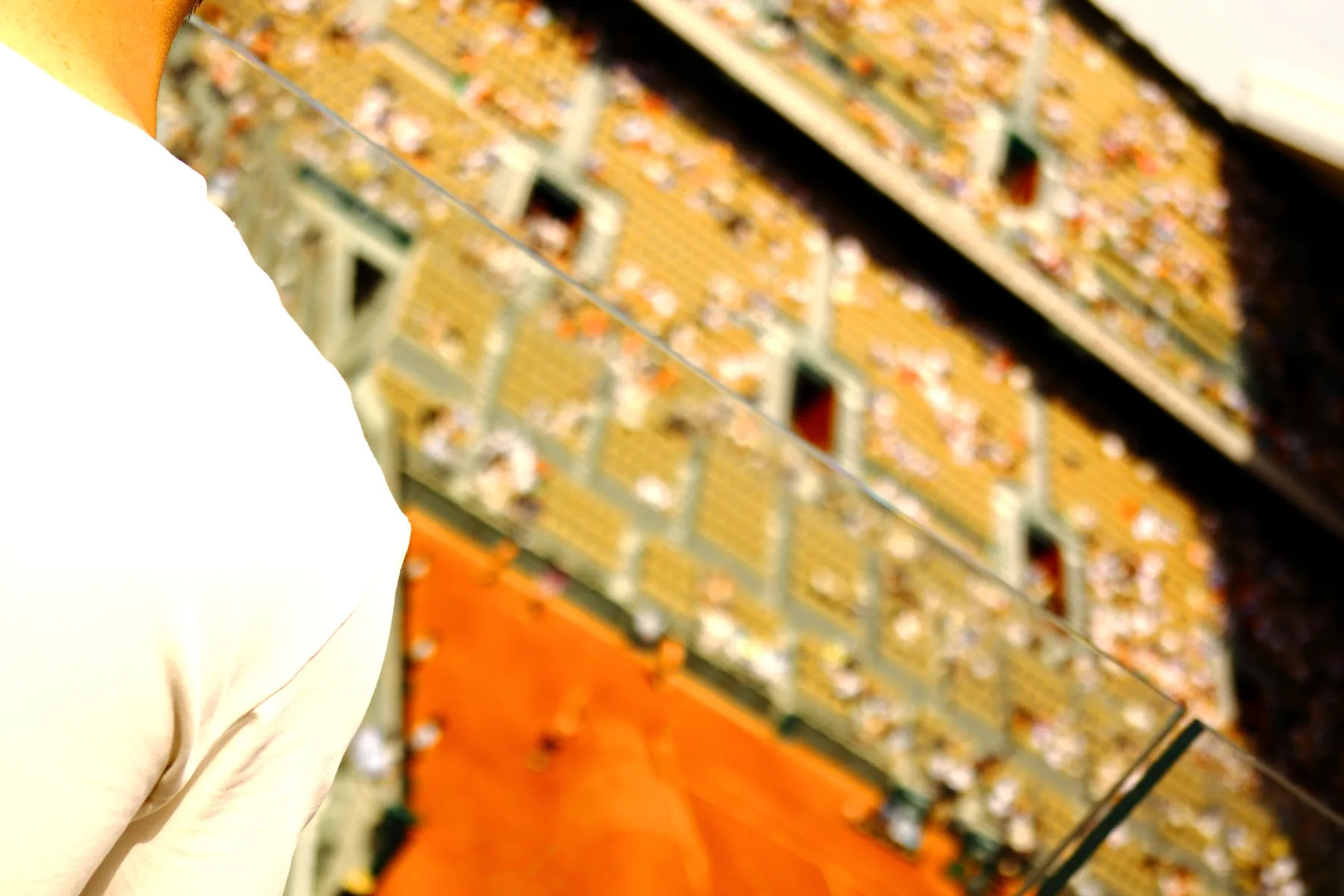
From there it was onto Court Philippe-Chatrier, artfully at first:
Then an umpire appeared, in splendid isolation:
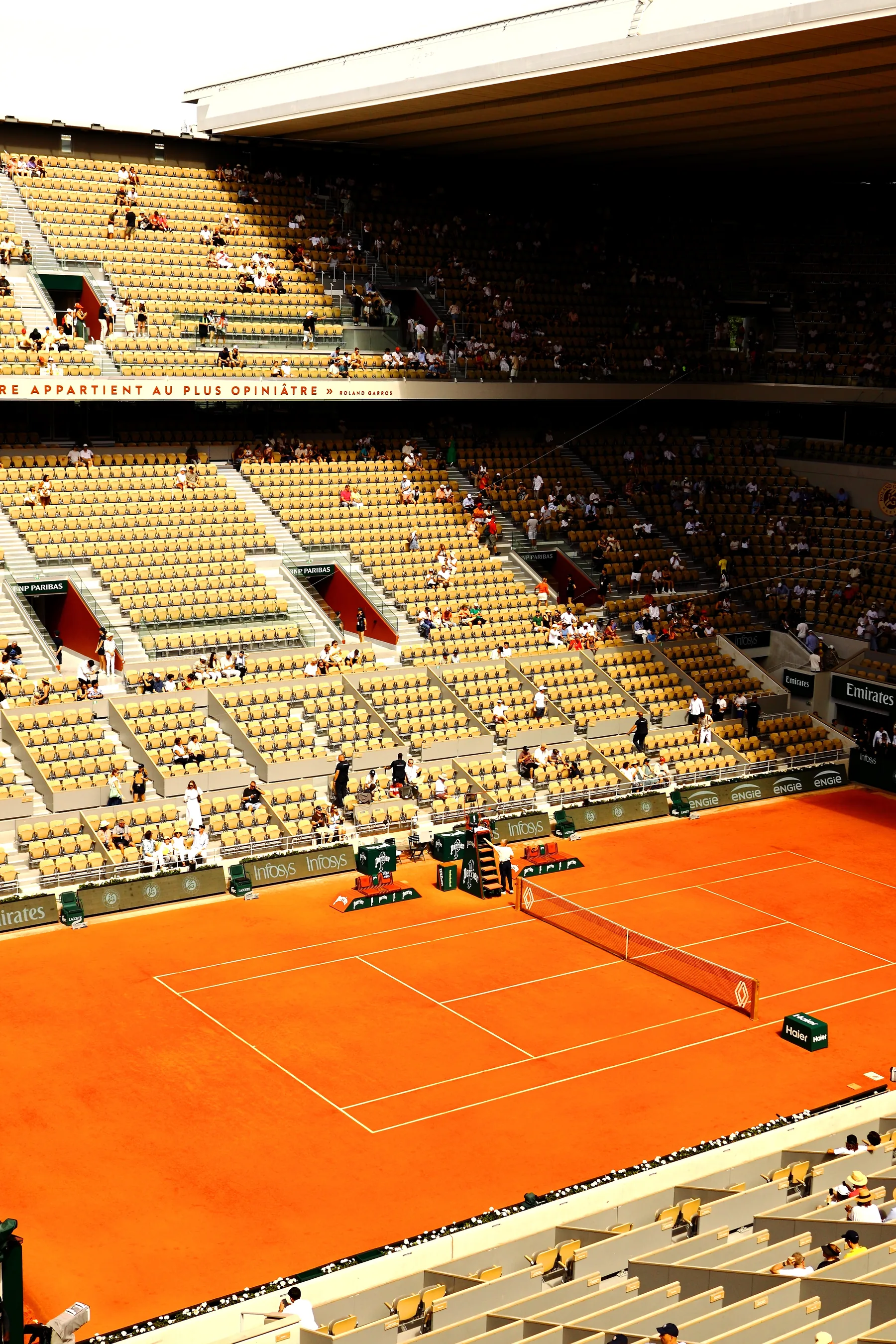
He was followed by line judges, ball kids, more ball kids, court sweepers and court sprayers ...
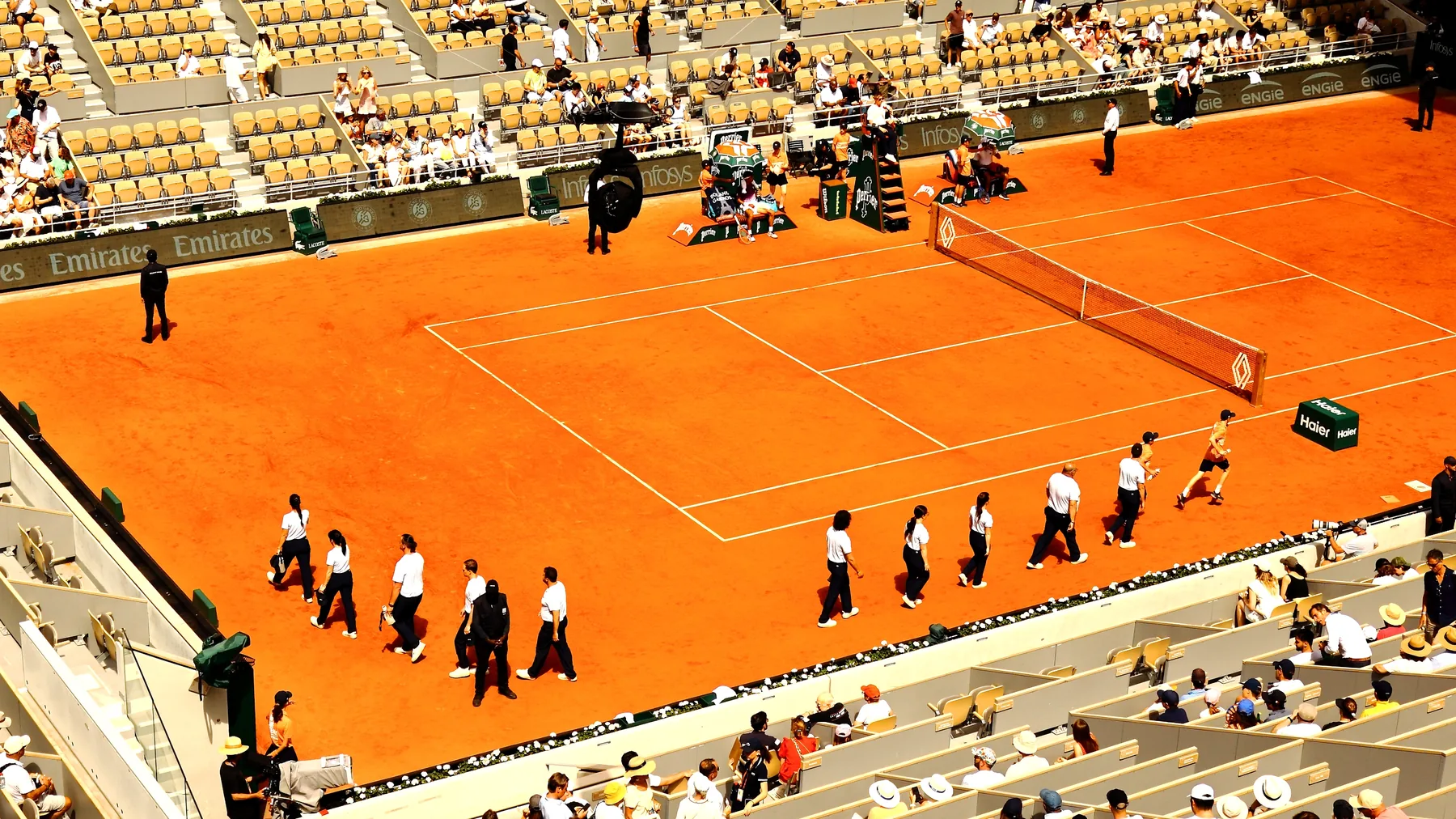
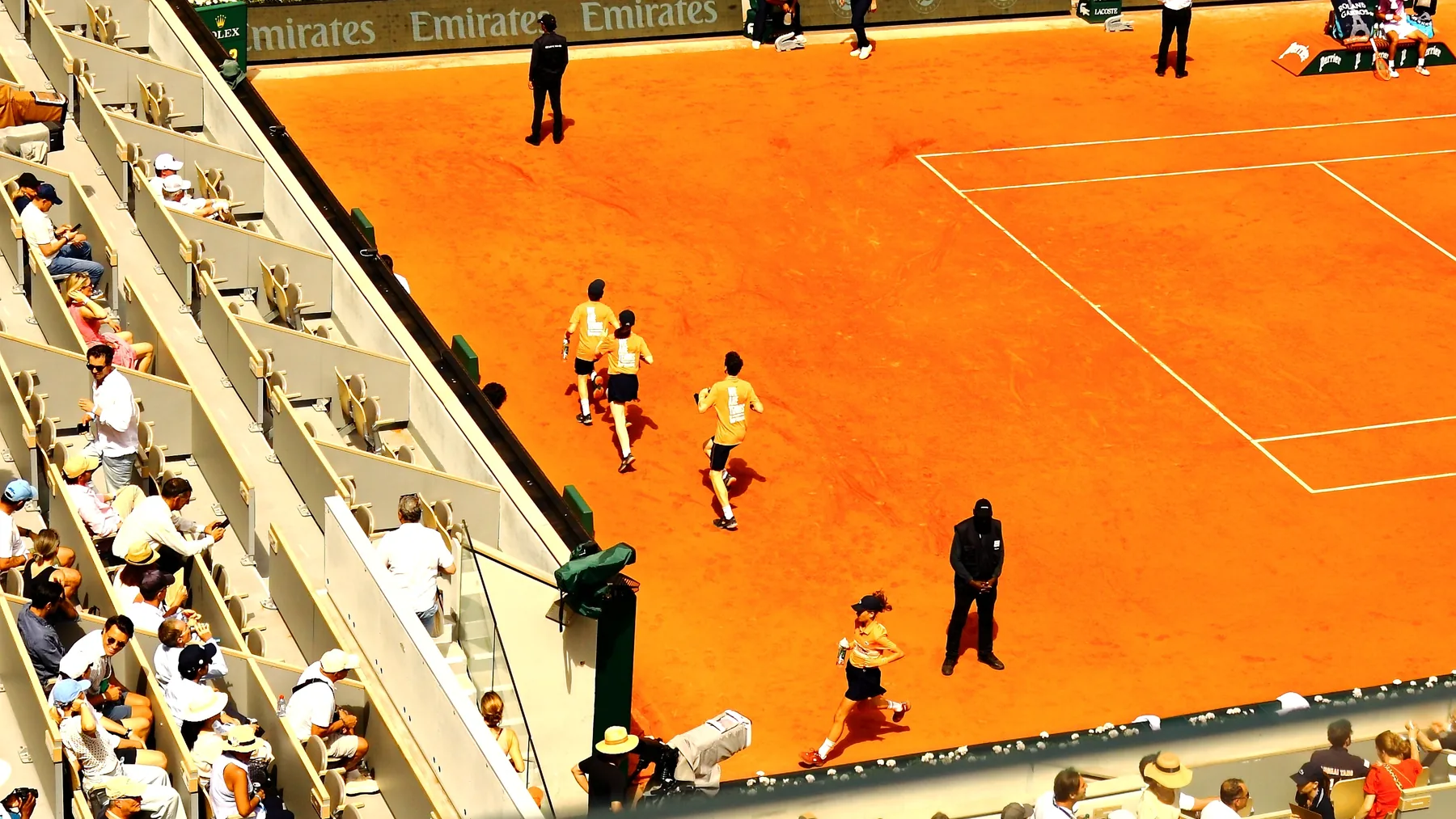
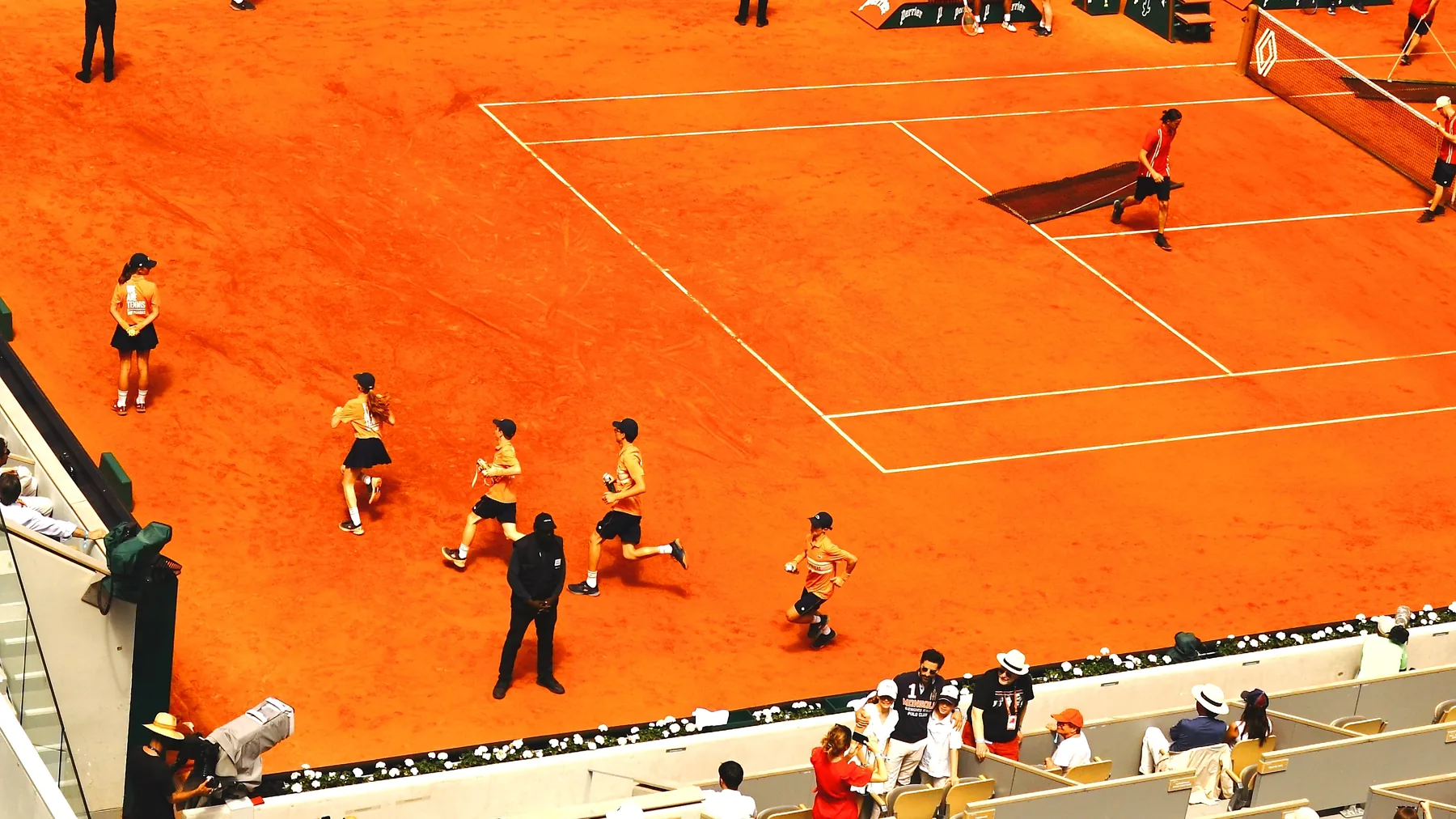
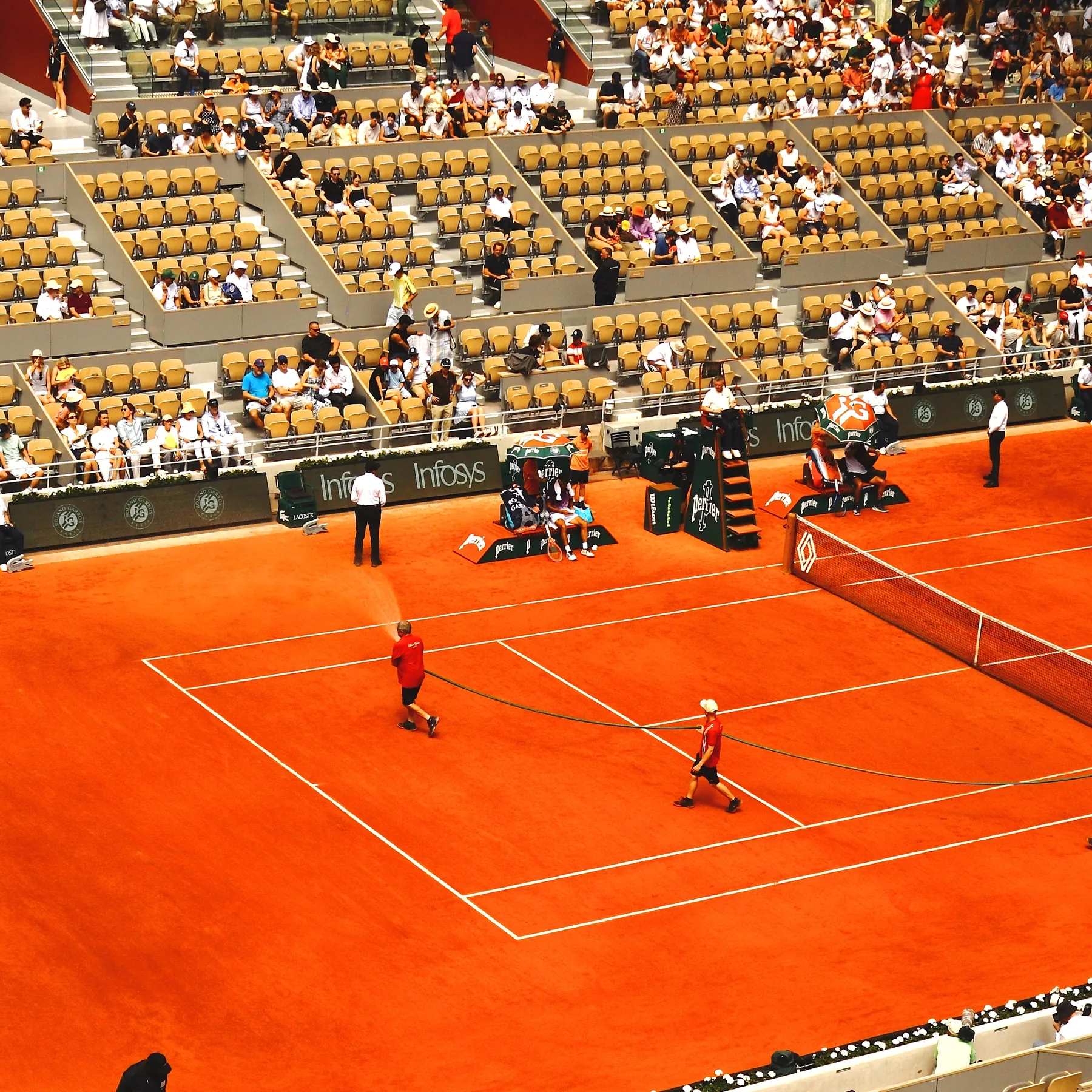
And, finally, players:
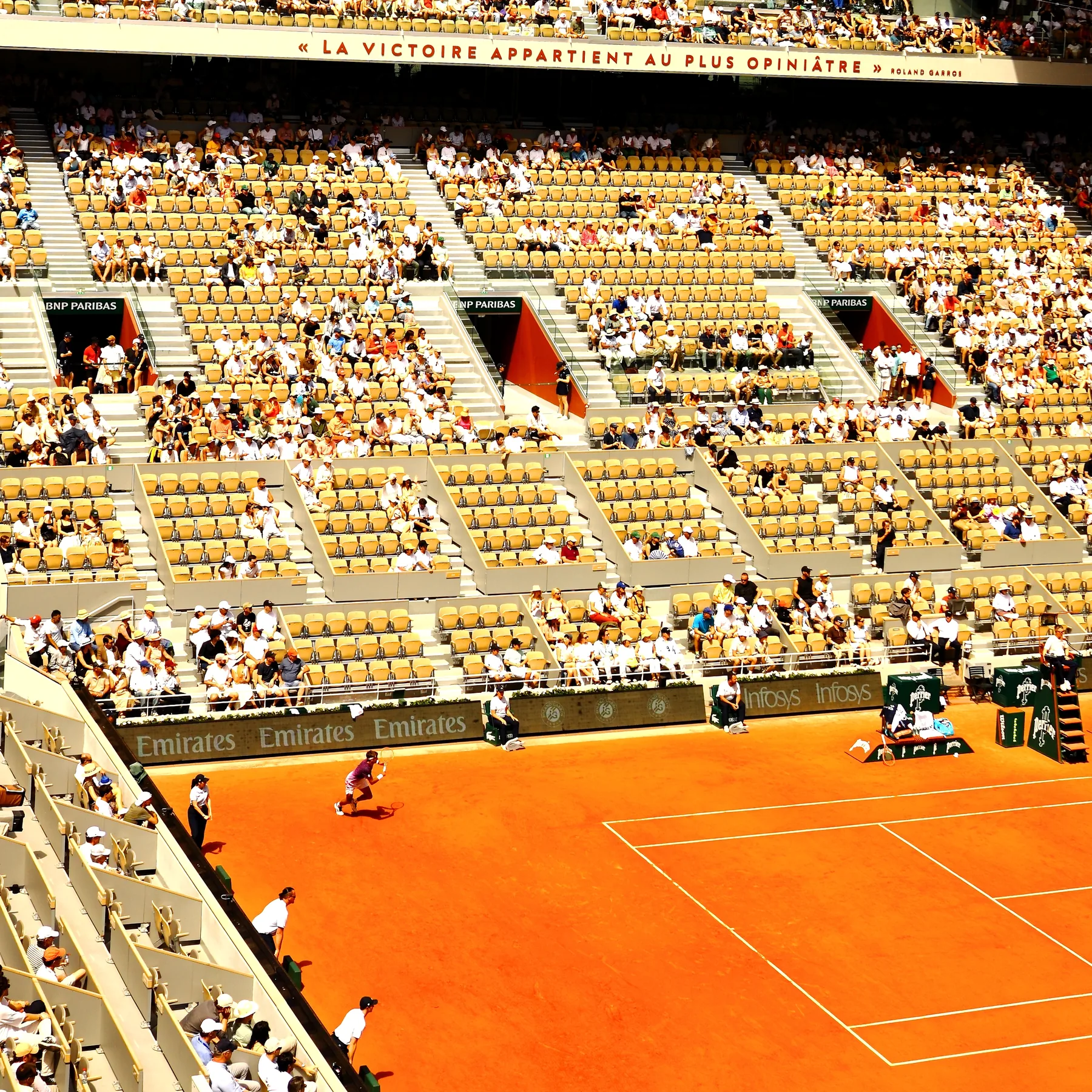
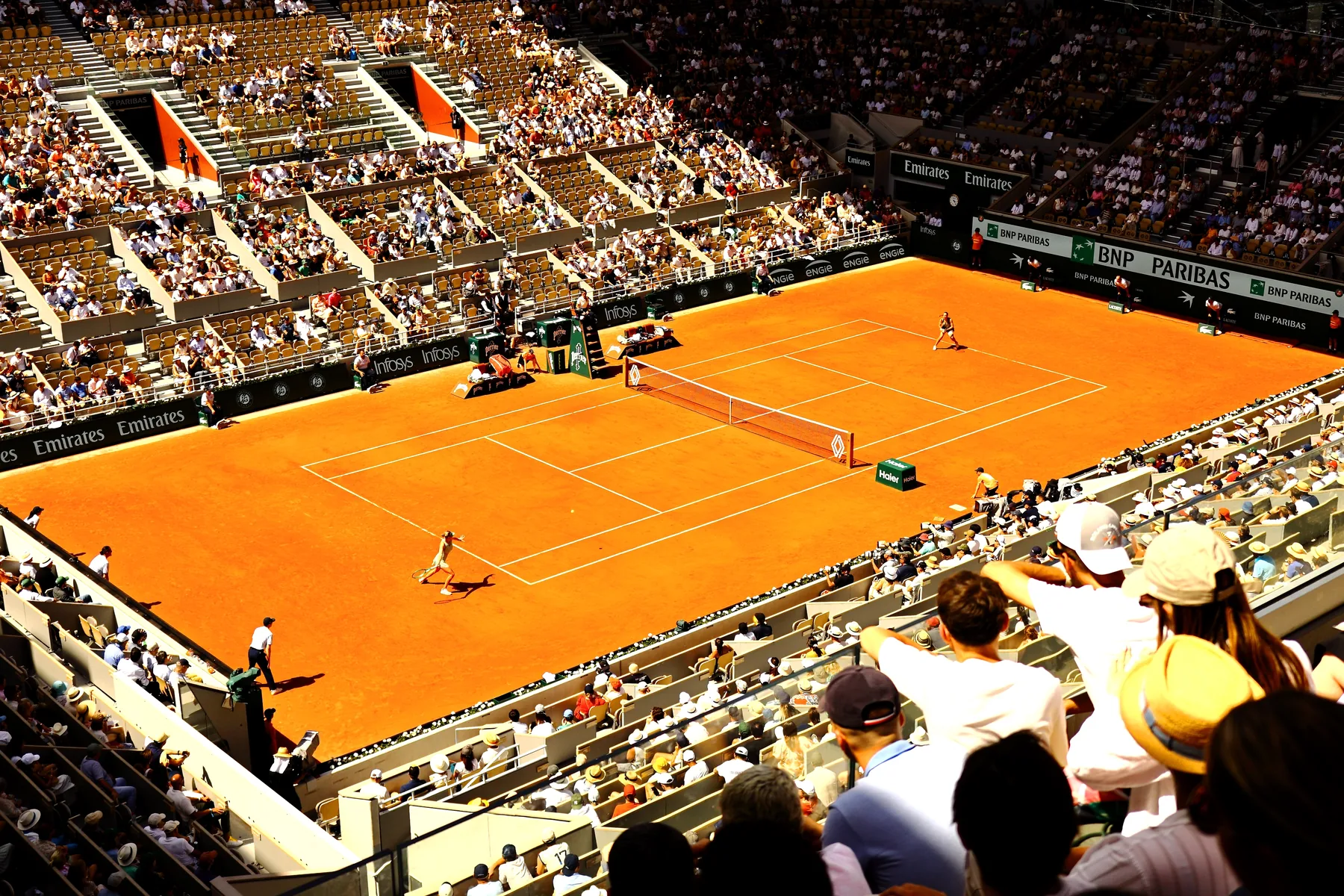
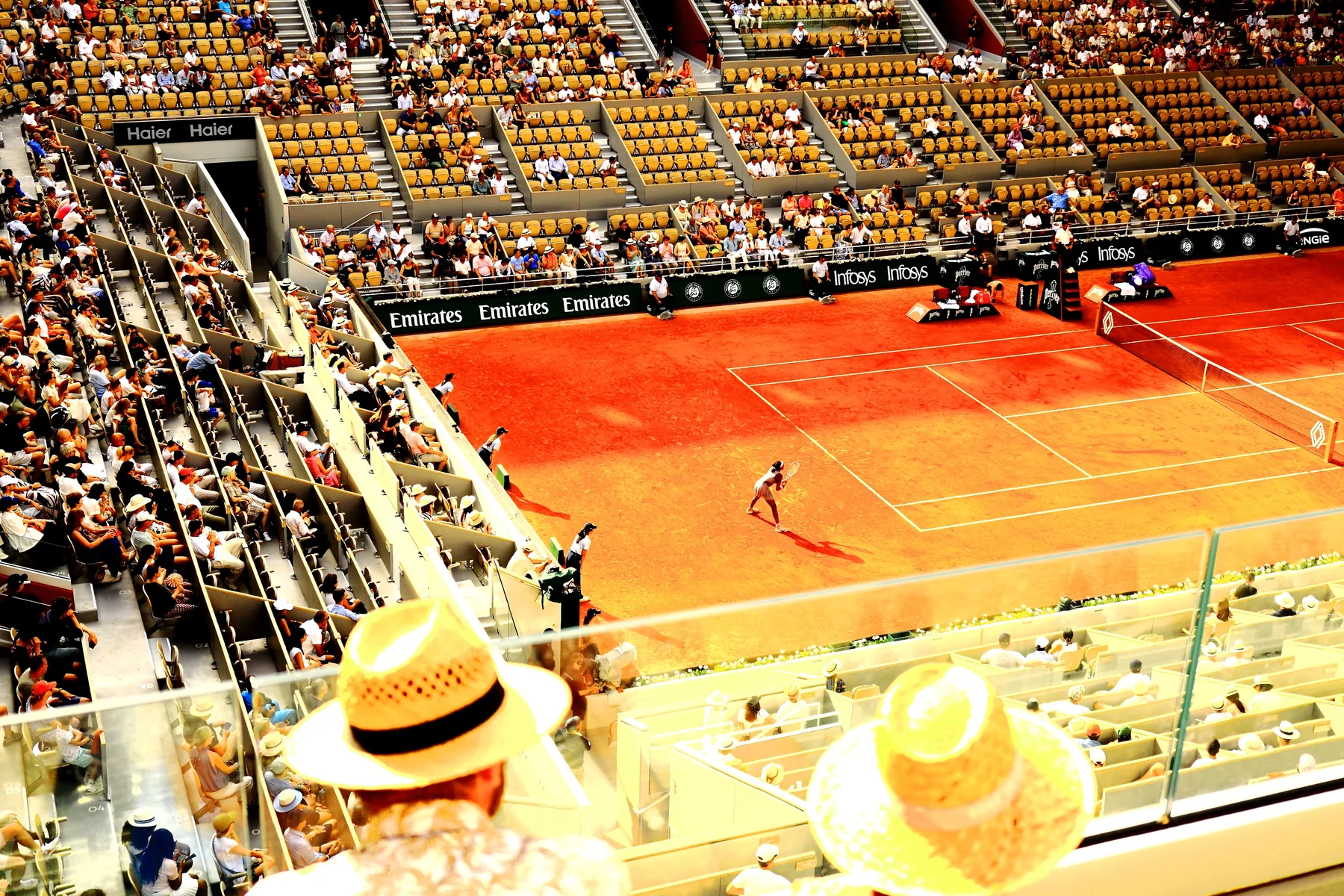
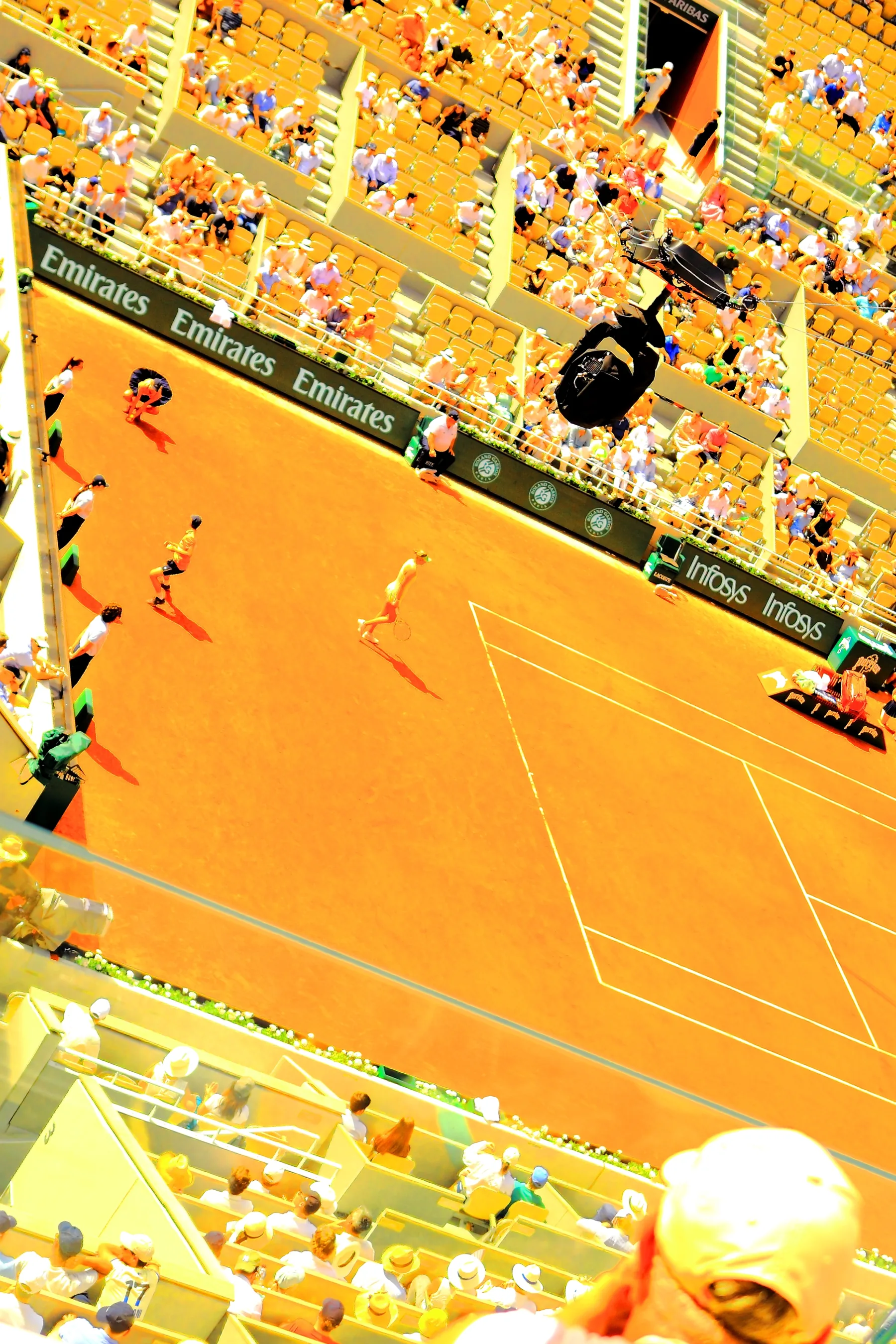
Ladies, gentlemen and others, I give you Coco Gauff:
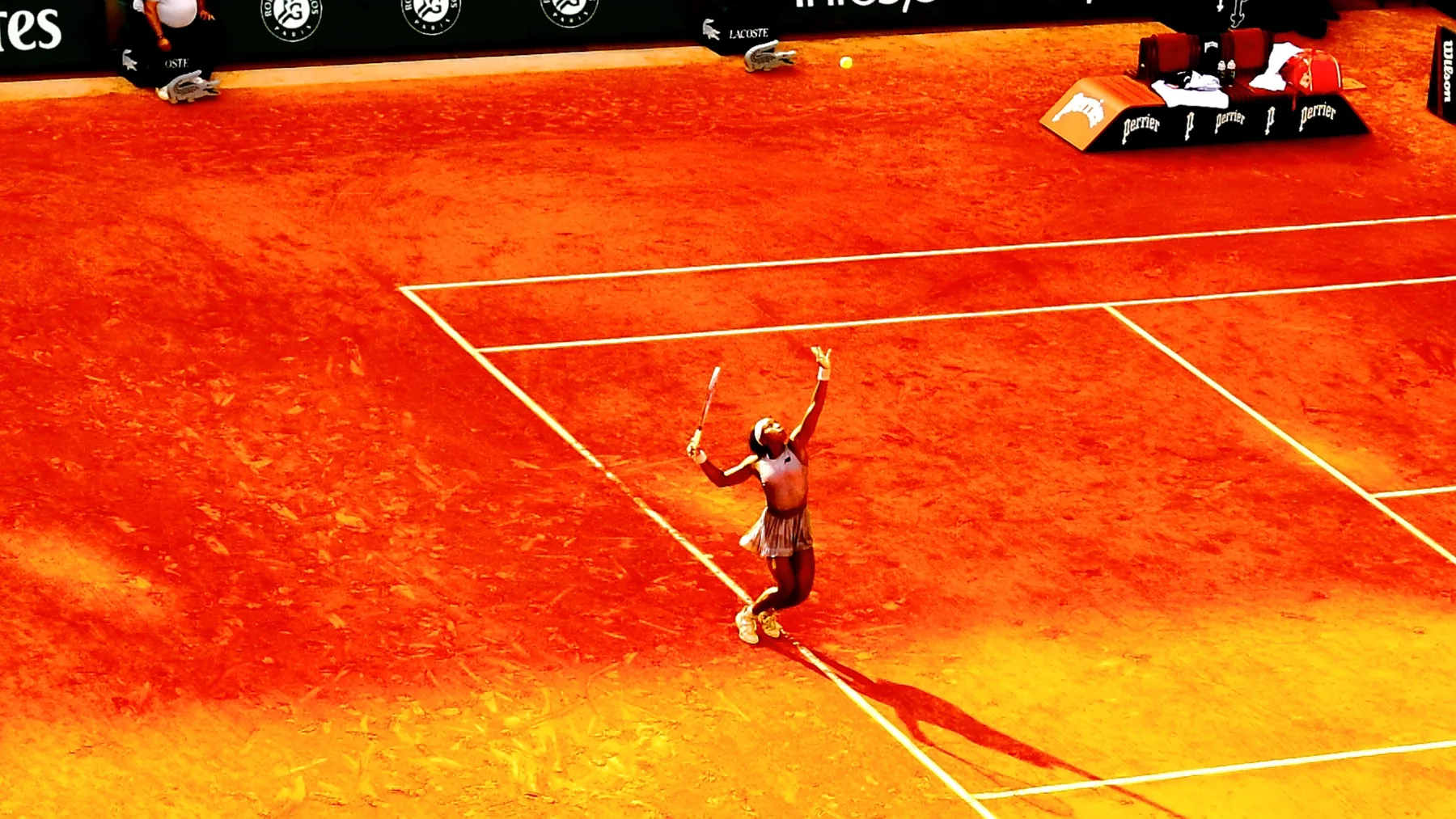
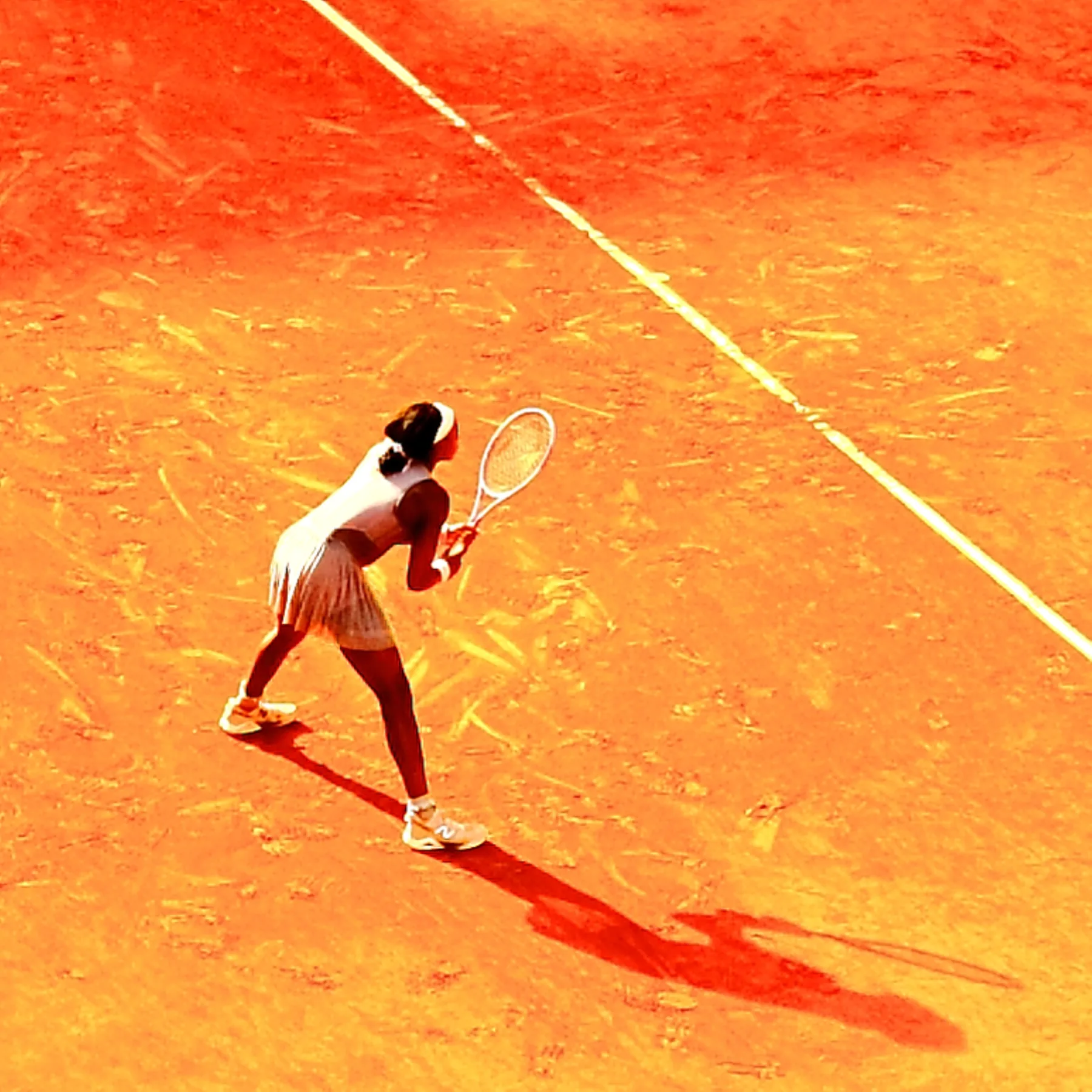
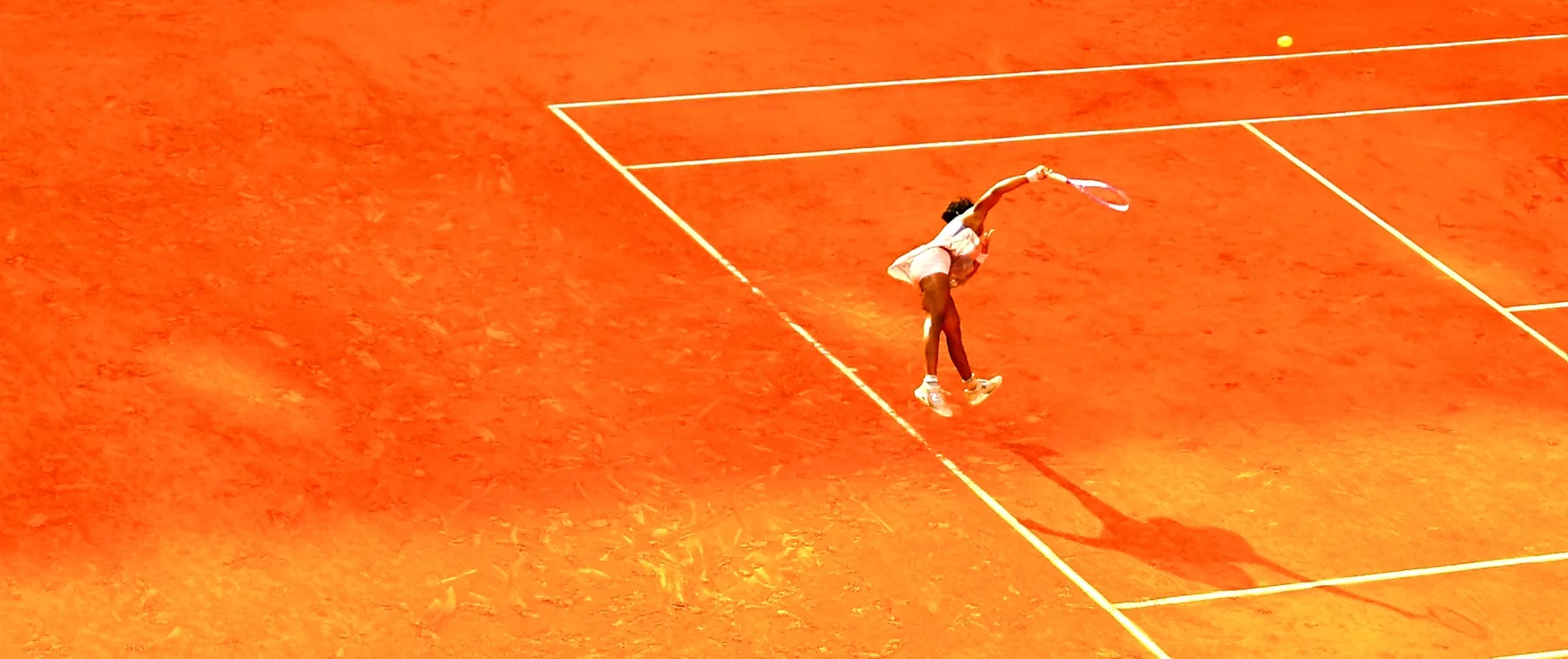
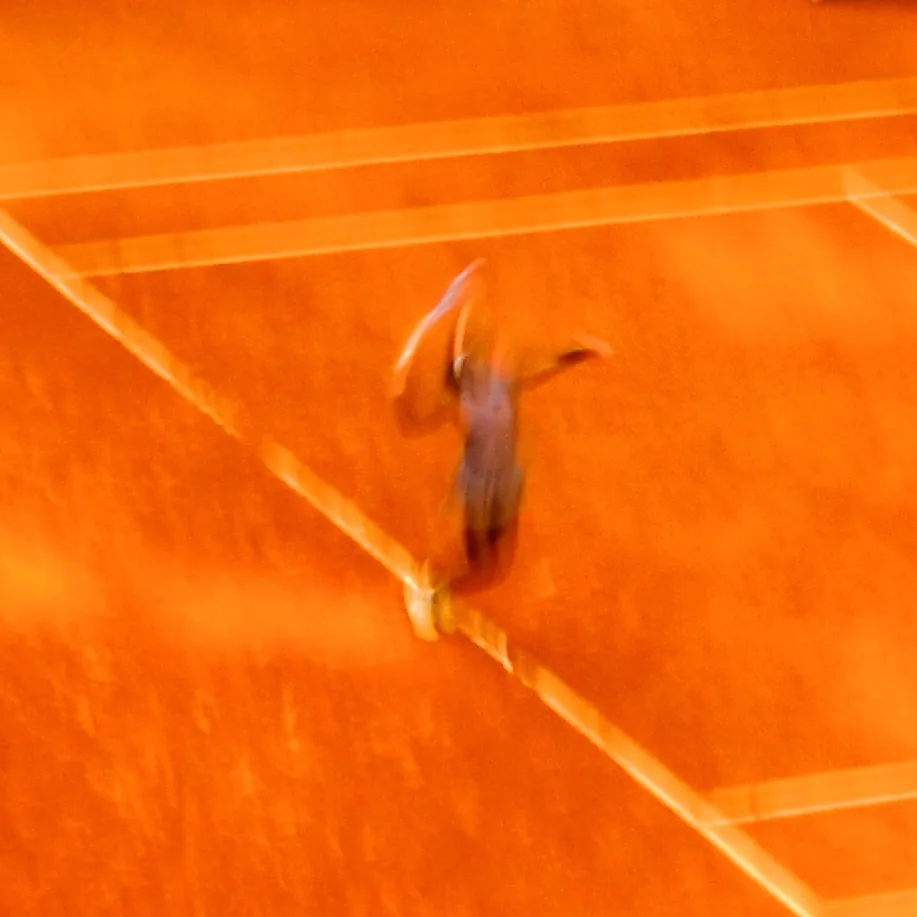
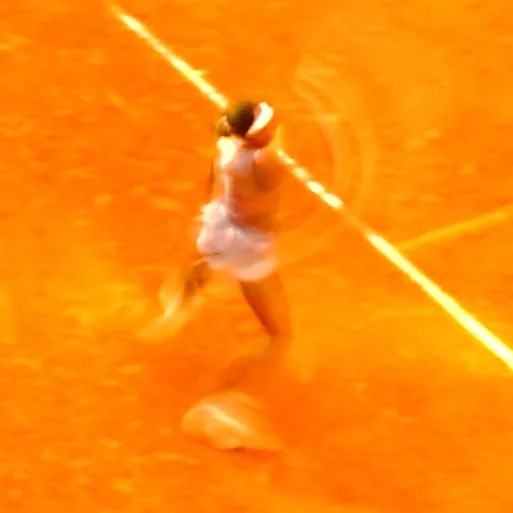
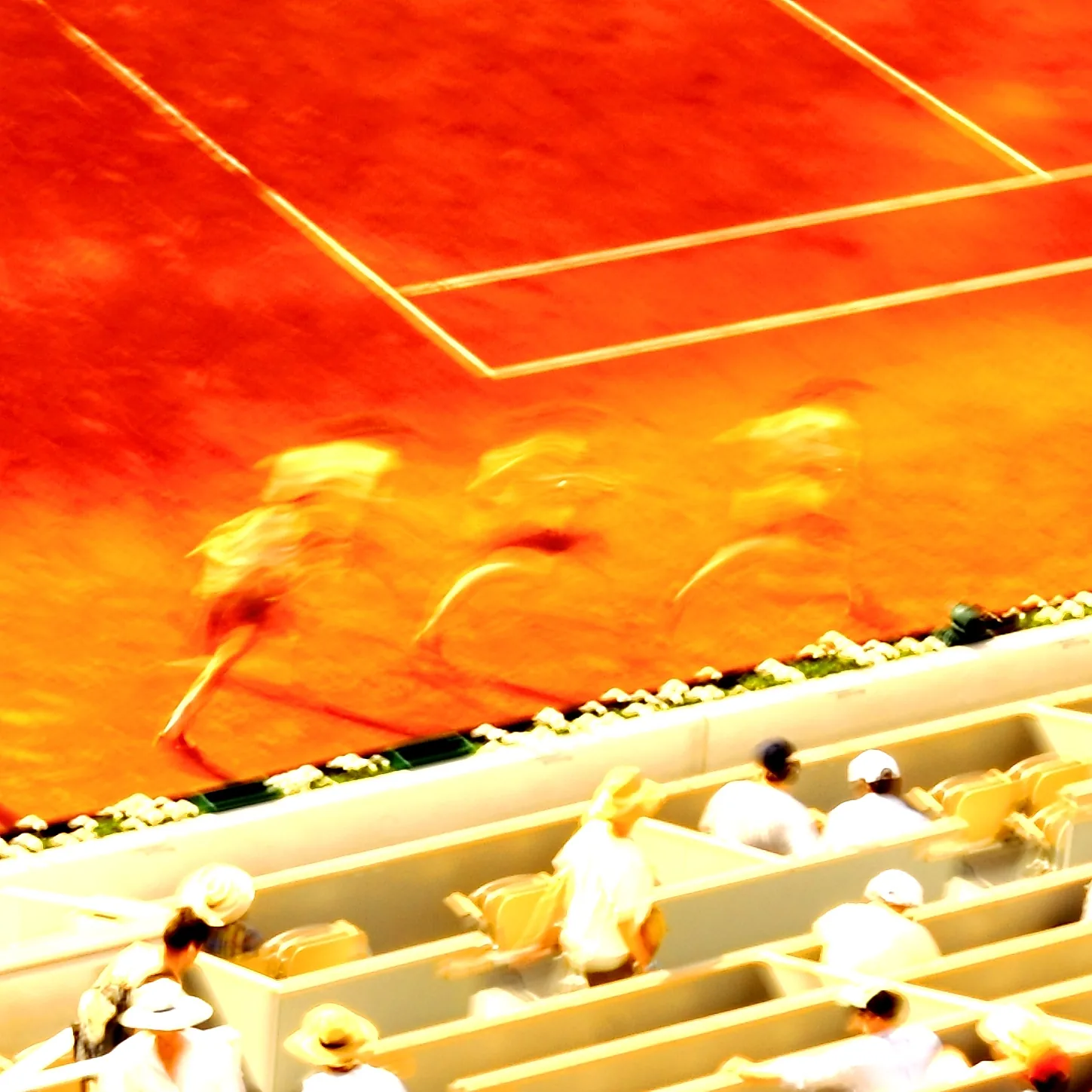
Maybe it was the 34-degree heat, but I felt myself drifting into a more creative state of mind. How, I wondered, might I effectively capture all this movement?
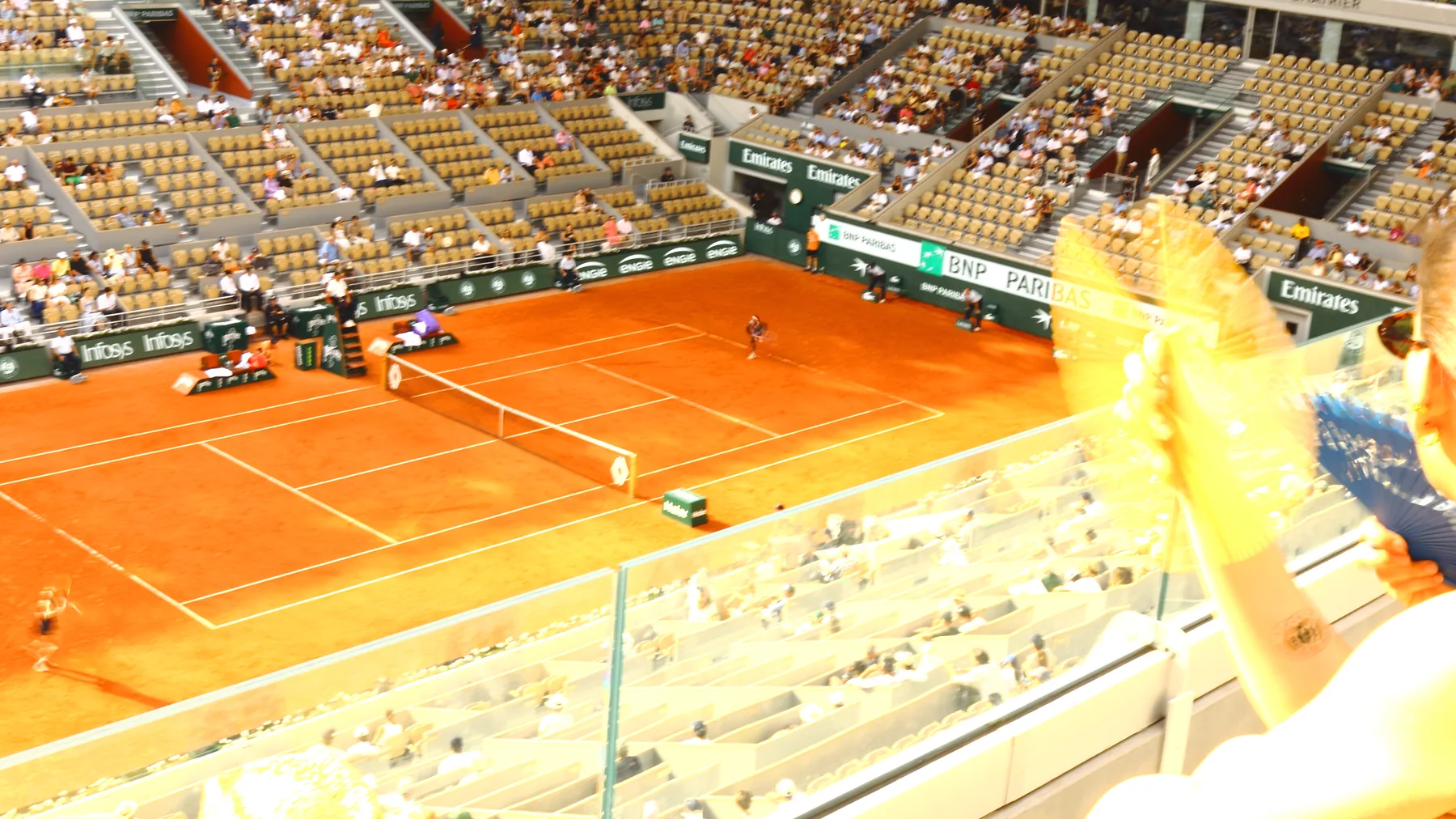
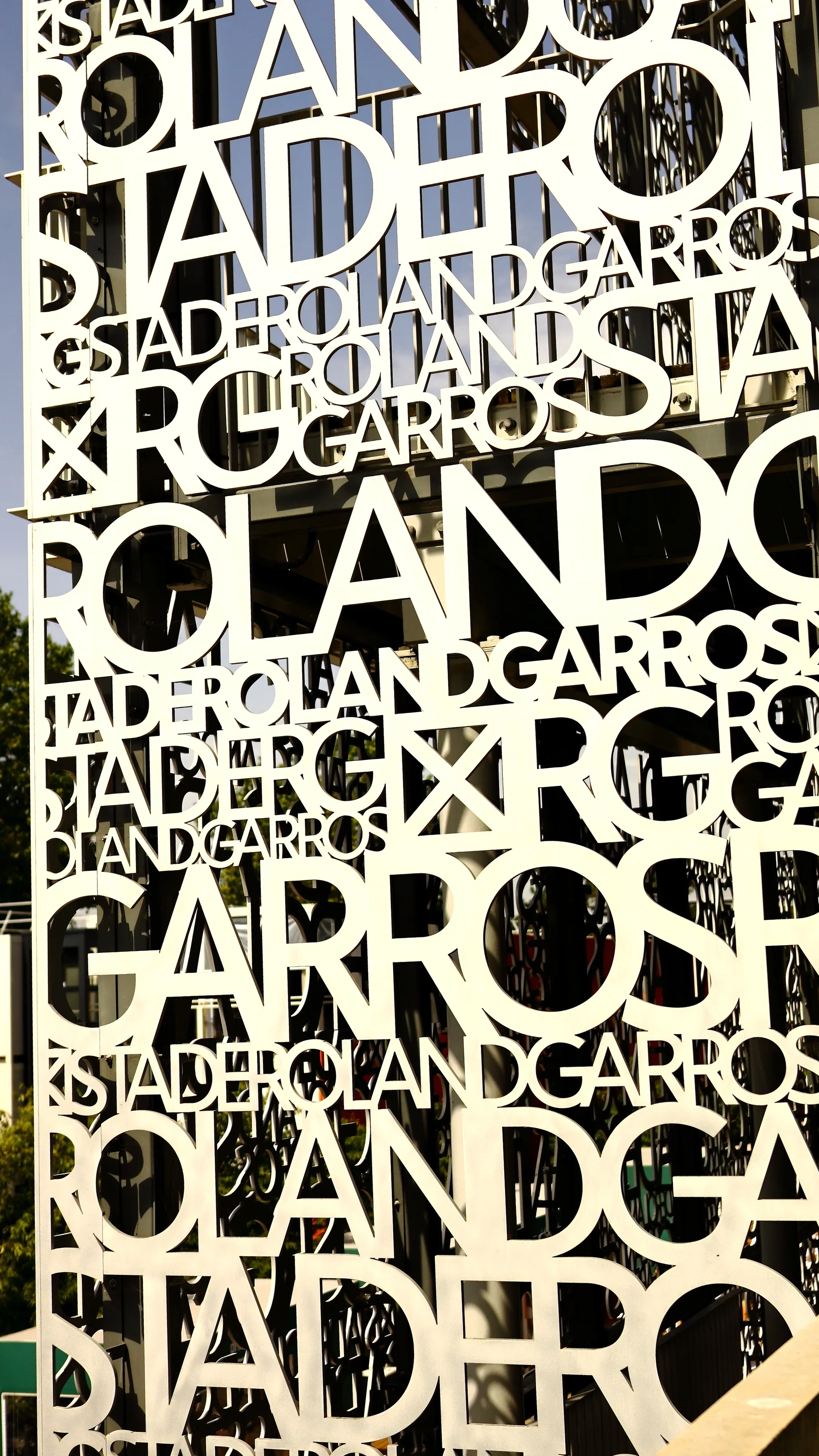
At the end of a long, fascinating day in the sun we wobbled down the stairs and I had to ask myself where we were ... Ah, that's right:
“Victory belongs to the most tenacious.” - attributed to Napoleon Bonaparte, adopted by Roland Garros, emblazoned on Court Philippe Chatrier.
© 2026 Telford Vice. Words and photographs.