THAT’S a Pablo Picasso quote above. I wonder if he would get the joke — that his most provocative painting is indeed decorating our apartment.
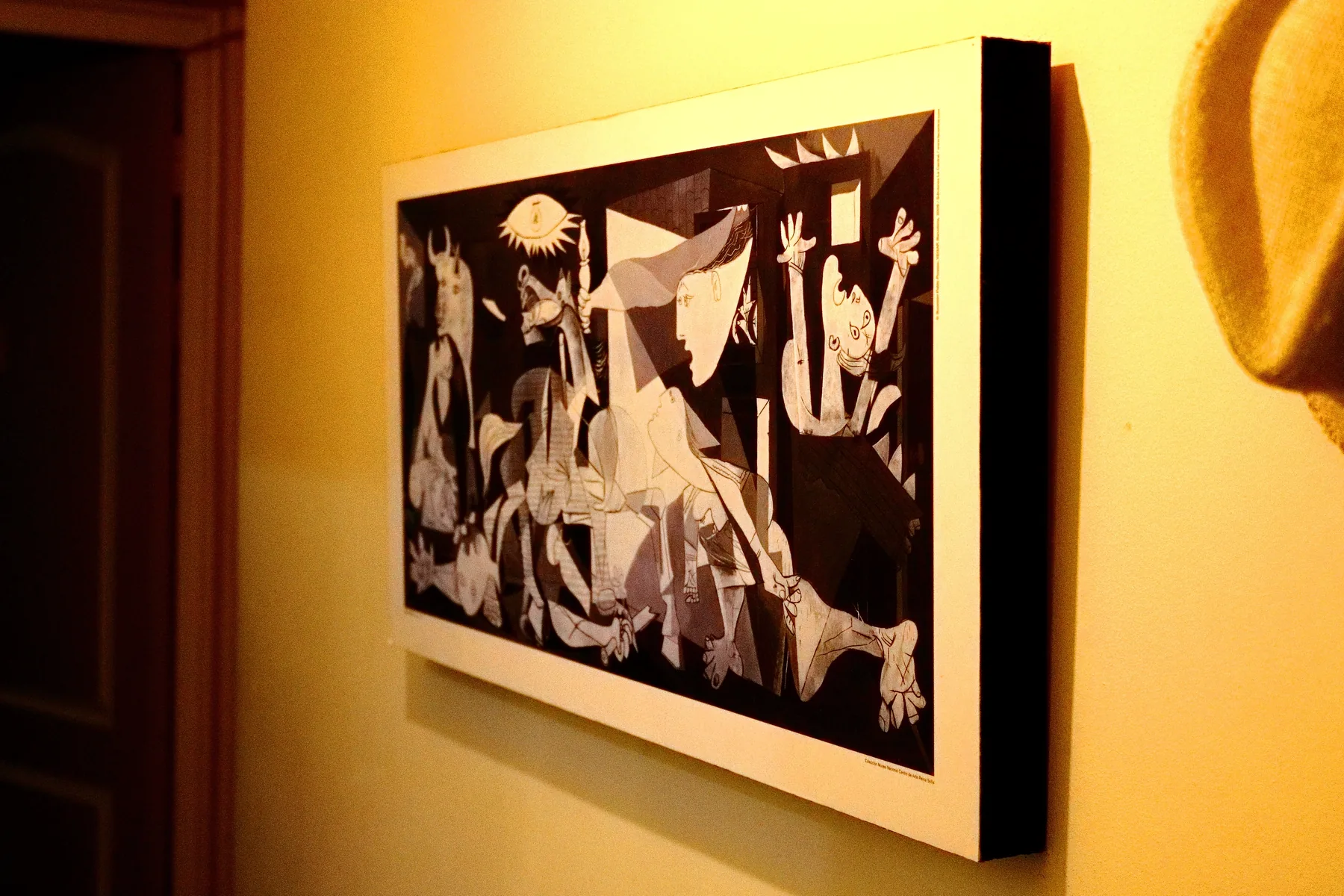
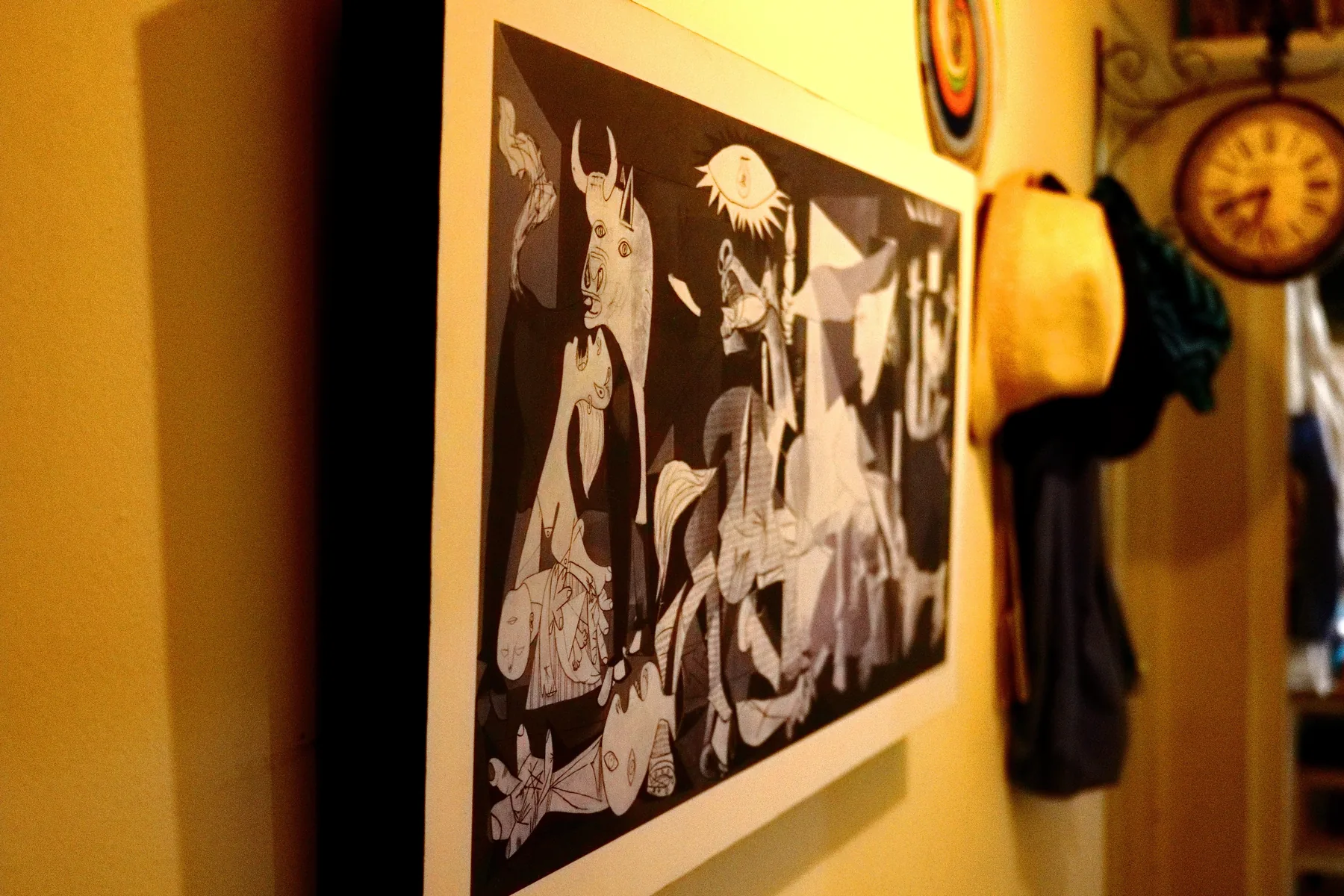
I’m not being flippant. There’s nothing accidental about a print of the most magnificently political piece of art hanging in a place we walk past dozens of times every day.
It’s not about covering the bareness of the wall or how the print would work with the other colours already in the space. It’s not about investment; that picture didn’t cost us much. It’s not about showing off. If it was we would have hung it in the lounge.
It’s about knowing.
It’s about remembering.
It’s about not letting us forget what we did.
And are still doing.
To other people in other places.
Places like Palestine and Sudan.
Yes, I do mean we are doing these things. Because if we consign to people we consider evil the events Picasso interpreted and depicted then we miss the point he made so powerfully.
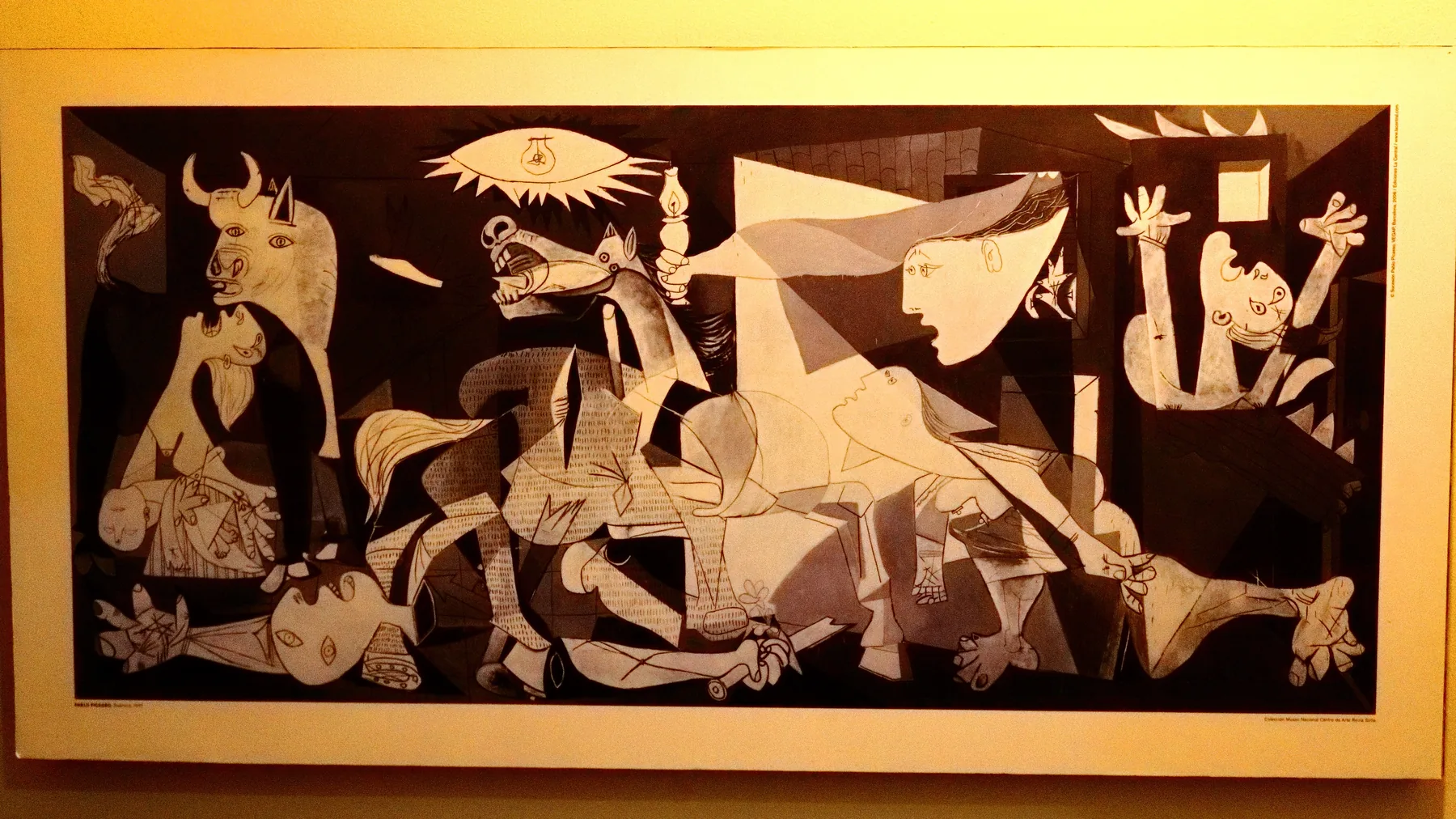
WHAT did Picasso paint? An angry, violent reaction to anger and violence on a scale as vast and vicious as it was vulgar.
It happened 89 years ago today. And it started not long before the time I published this photo essay.
Guernica is a town 30 kilometres east of Bilbao in northern Spain’s Basque region. On April 26, 1937 it’s normal population 7,000 had swelled to 10,000. It was a Monday, a market day, which drew people from surrounding areas.
Franco’s fascists knew that. As did Germany’s fascists and Italy’s fascists. They knew they had the opportunity to inflict maximum death and destruction, and they took it.
Essentially, Franco asked Hitler and Mussolini to help him teach those pesky Basques a lesson. Hitler saw this as a chance to test out techniques his Luftwaffe would use in World War II. Doing everything Hitler did mattered more than anything to the buffoonish Mussolini. Operation Rügen was given the green light. Rügen is a German word meaning reprimand.
High-explosive bombs rained down, destroying Guernica’s bridges and buildings. Then incendiary bombs were dropped to cause fires. That sent people into streets, where they were strafed to death by fighter planes’ machine guns.
The attack started at around 4.30pm and lasted for more than three hours, including a lull of half-an-hour that began at 6pm.
More than 31 tons of explosives were unleashed on the tiny town, obliterating between 75% and 85% of its infrastructure.
Earlier estimates of civilian deaths veered from 126 to 1,700. Historians have since settled on a range from 170 to 300, but we will never know how many.
Civilians? Pah! There are no civilians among those rebellious, independently minded Basques. They’re all looking for ways to harm us. They’re all terrorists and murderers.
If that sounds familiar it might be because it’s what Isreal says about Palestinians to justify their genocide in Gaza.
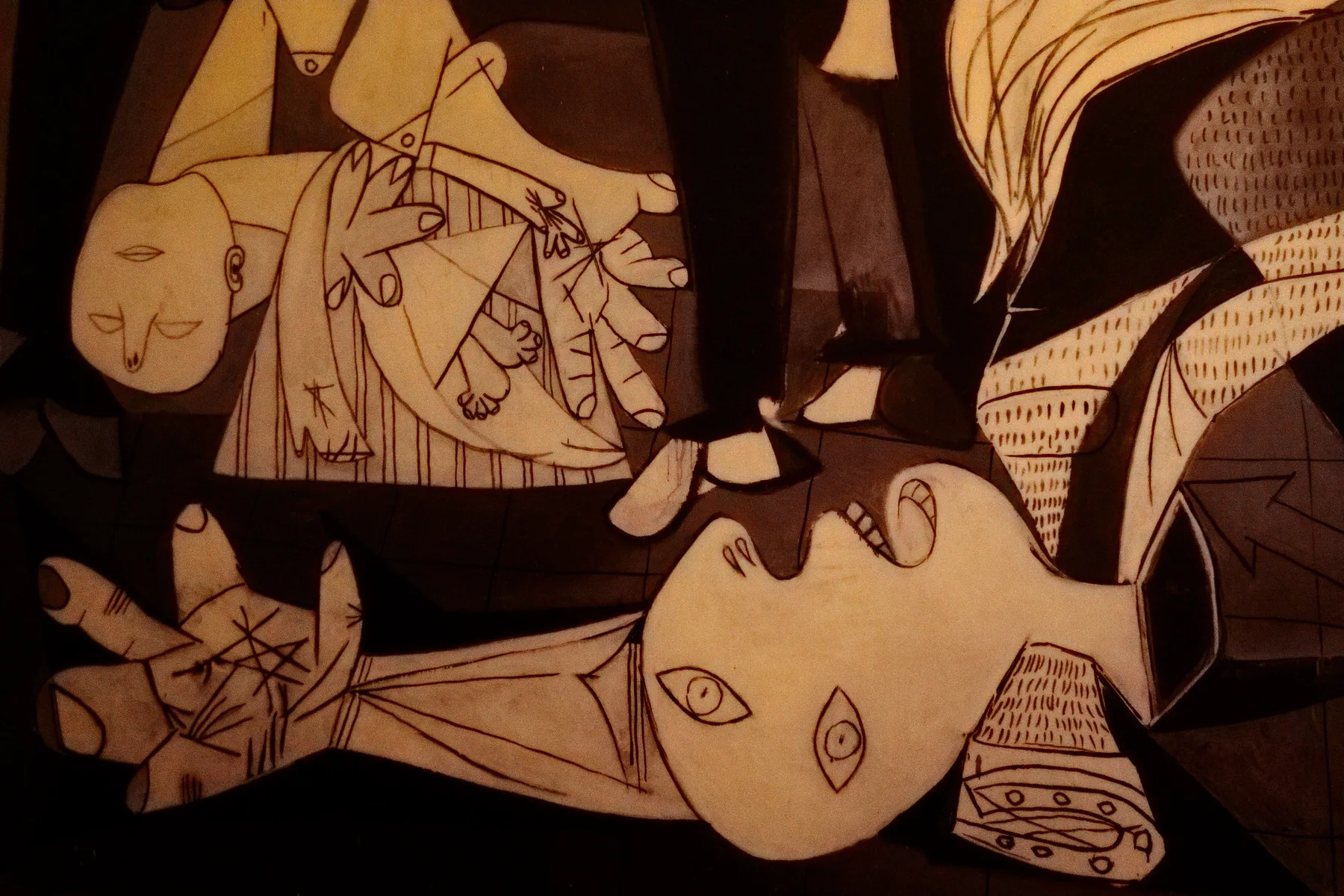
IN January 1937, Málaga-born Picasso — who moved to Paris in April 1904 — was commissioned by the Republican government to create a large painting to be exhibited in the Spanish pavilion at the International Exposition of Art and Technology in Modern Life in Paris from May 25 to November 25, 1937.
Picasso initially planned to paint a scene from an artist’s studio. He was visited by the poet Juan Larrea after the destruction of Guernica. Larrea urged him to turn his attention to massacre instead. On May 1, Picasso read a newspaper report on the attack and was convinced to take Larrea’s advice.
That story first appeared in The Times of London and The New York Times two days after the attack. It was translated into French and, the day after its first publication, appeared in l’Humanité, which was how Picasso was able to see it.
The piece was written by George Steer, who was born in East London. That's right: East London in South Africa. East London, where I also come from.
I won’t post all 1,450 of Steer’s words, but here’s a flavour:
“Guernica, the most ancient town of the Basques and the centre of their cultural tradition, was completely destroyed yesterday afternoon by insurgent air raiders. The bombardment of this open town far behind the lines occupied precisely three hours and a quarter, during which a powerful fleet of aeroplanes consisting of three German types, Junkers and Heinkel bombers and Heinkel fighters, did not cease unloading on the town bombs weighing from 1,000lb. downwards and, it is calculated, more than 3,000 two-pounder aluminium incendiary projectiles. The fighters, meanwhile, plunged low from above the centre of the town to machine-gun those of the civilian population who had taken refuge in the fields.”
Now that, people, is an intro. Back to Mr Steer:
“At 2 a.m. to-day when I visited the town the whole of it was a horrible sight, flaming from end to end. The reflection of the flames could be seen in the clouds of smoke above the mountains from 10 miles away. Throughout the night houses were falling until the streets became long heaps of red impenetrable débris. Many of the civilian survivors took the long trek from Guernica to Bilbao in antique solid-wheeled Basque farmcarts drawn by oxen. Carts piled high with such household possessions as could be saved from the conflagration clogged the roads all night. Other survivors were evacuated in Government lorries, but many were forced to remain round the burning town lying on mattresses or looking for lost relatives and children, while units of the fire brigades and the Basque motorised police under the personal direction of the Minister of the Interior, Señor Monzon, and his wife continued rescue work till dawn …
“When I entered Guernica after midnight houses were crashing on either side, and it was utterly impossible even for firemen to enter the centre of the town. The hospitals of Josefinas and Convento de Santa Clara were glowing heaps of embers, all the churches except that of Santa Maria were destroyed, and the few houses which still stood were doomed. When I revisited Guernica this afternoon most of the town was still burning and new fires had broken out. About 30 dead were laid out in a ruined hospital.”
Having read that, Picasso knew what to do. He ordered a special matte paint used for houses and prepared the giant canvas, which measures 7.77 by 3.49 metres. Working exclusively in monochrome, he spent 35 days on the painting. It was finished it on June 4, 1937.
But Picasso didn’t do it all alone. He and Dora Maar, a French Surrealist photographer and painter, were lovers. She found a studio big enough to house the canvas — the former headquarters of an antifascist group she belonged to — and photographed the painting as Picasso worked, which helped him keep track of what needed to go where in the massive picture. Maar also, at Picasso’s request, painted part of the dying horse.
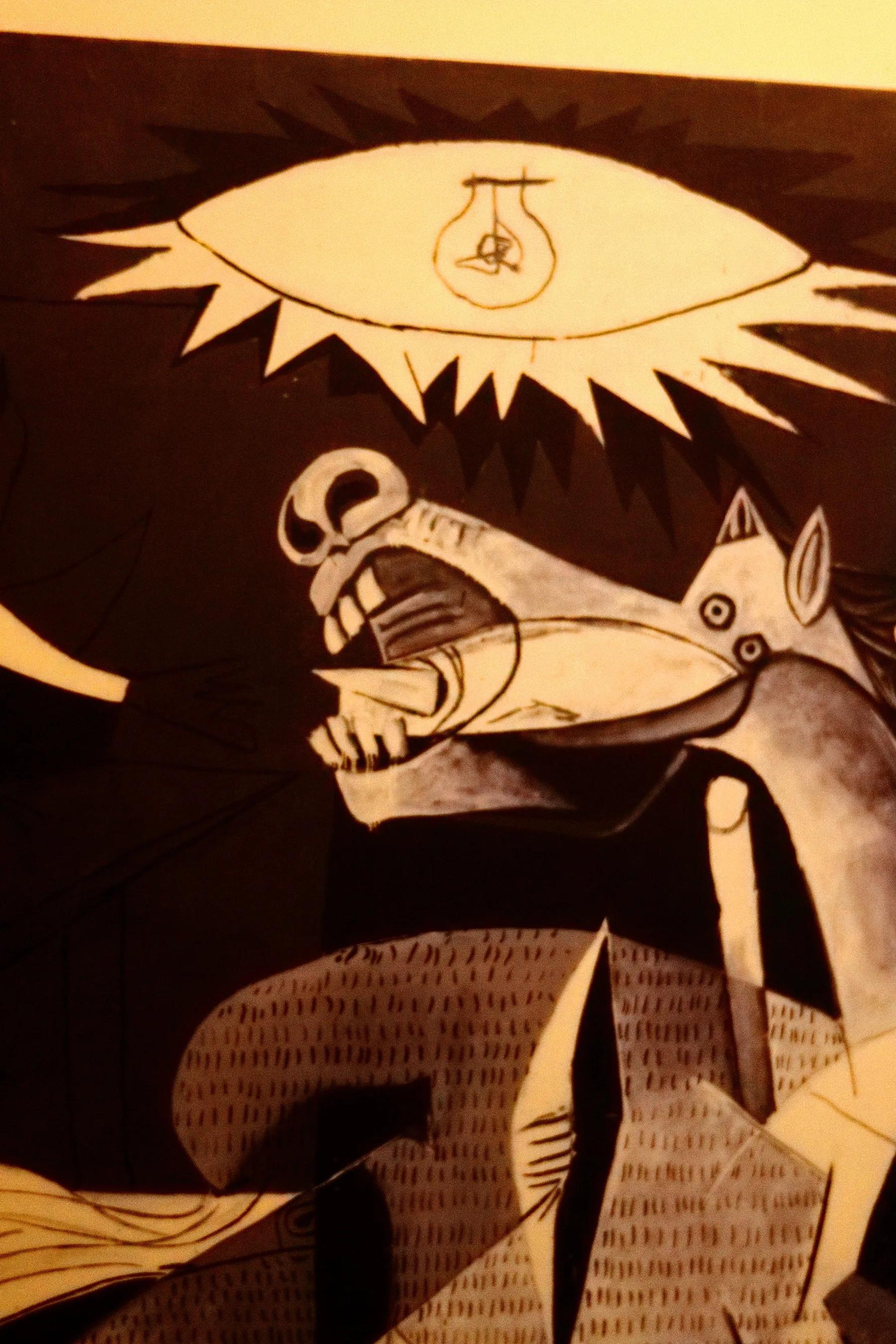
IN its entirety and in details of its scenes, the painting is at once obvious and mysterious. It speaks to us and refuses to say things. It is filled with certainty and symbolism. What does it all mean, Pablo?
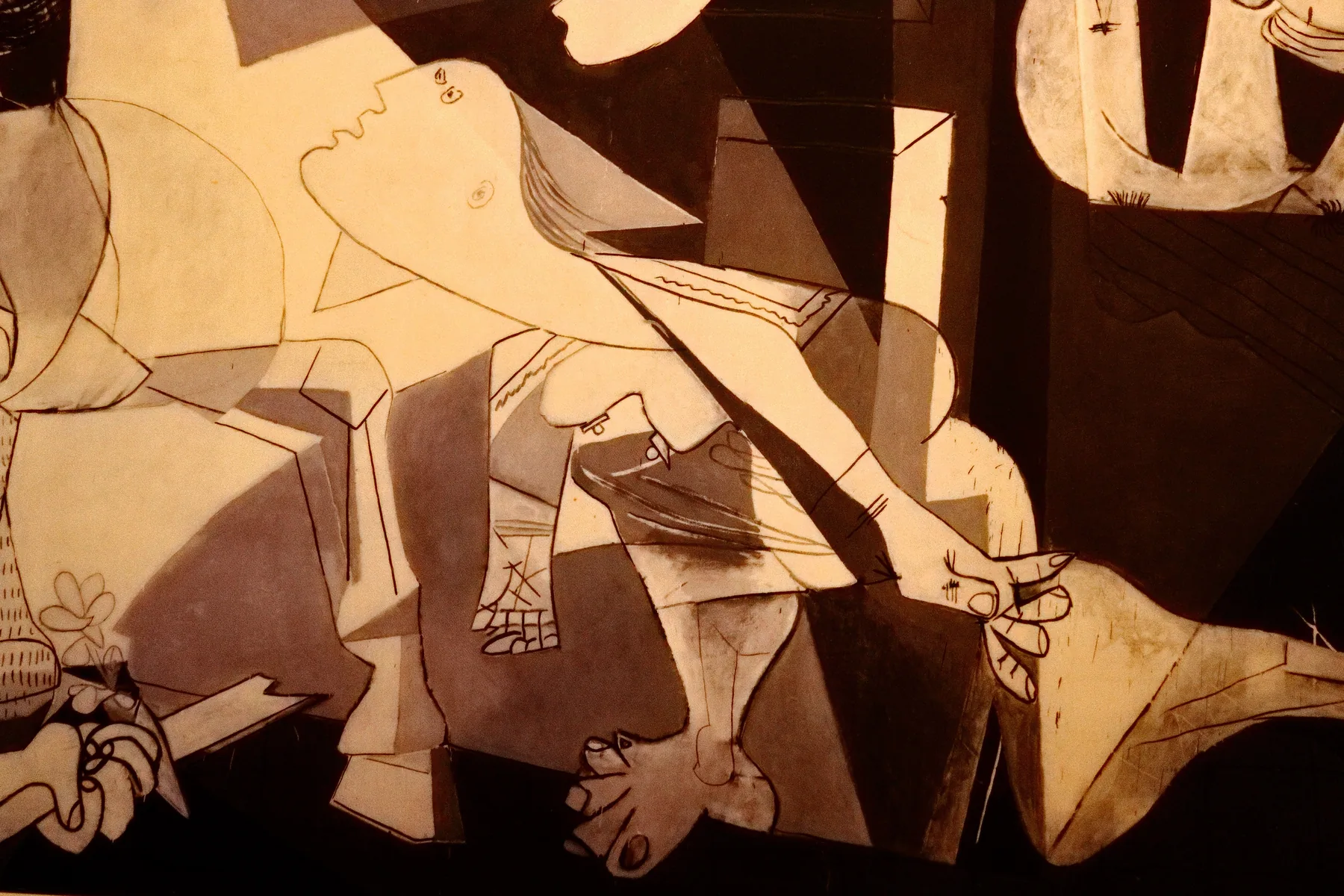
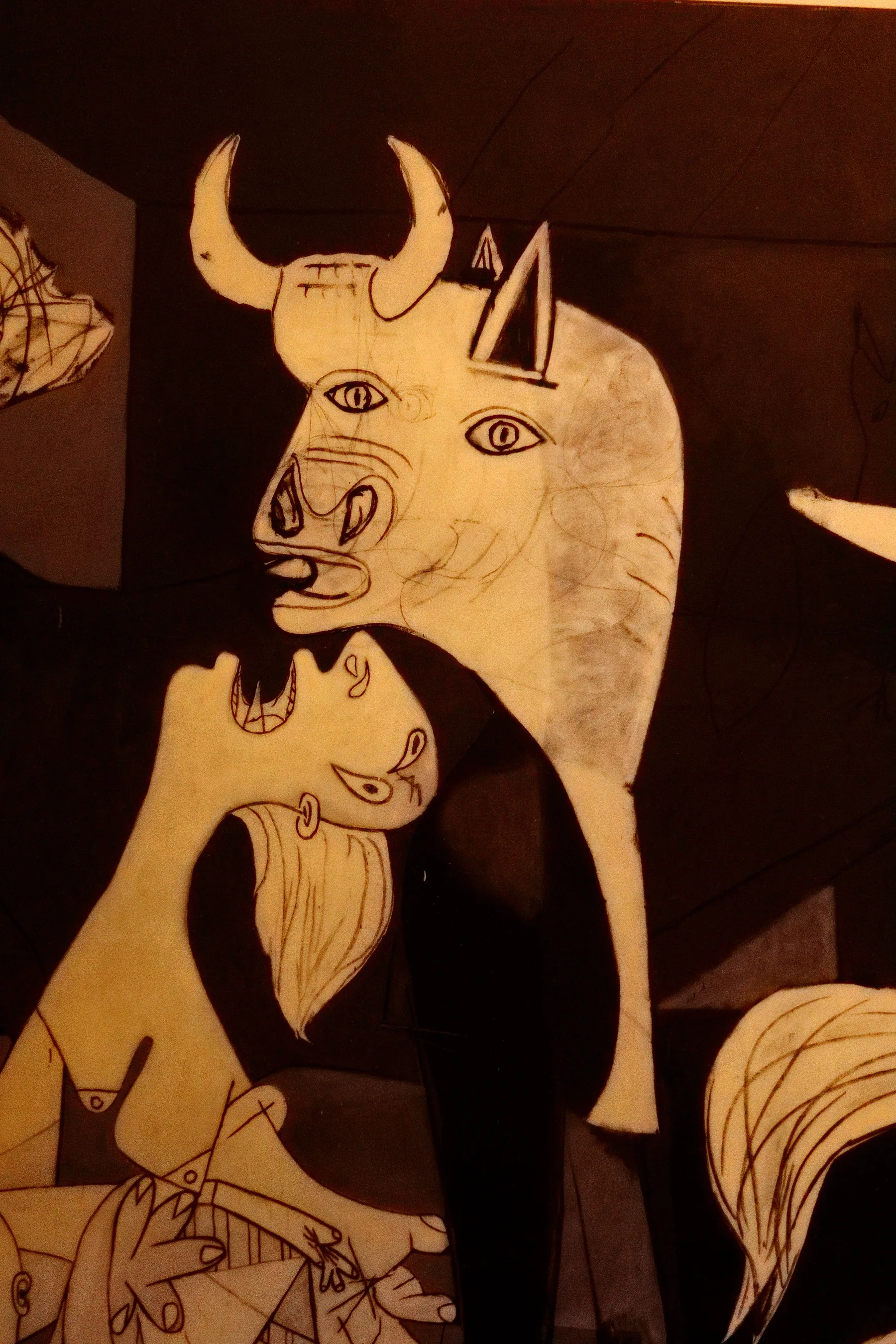
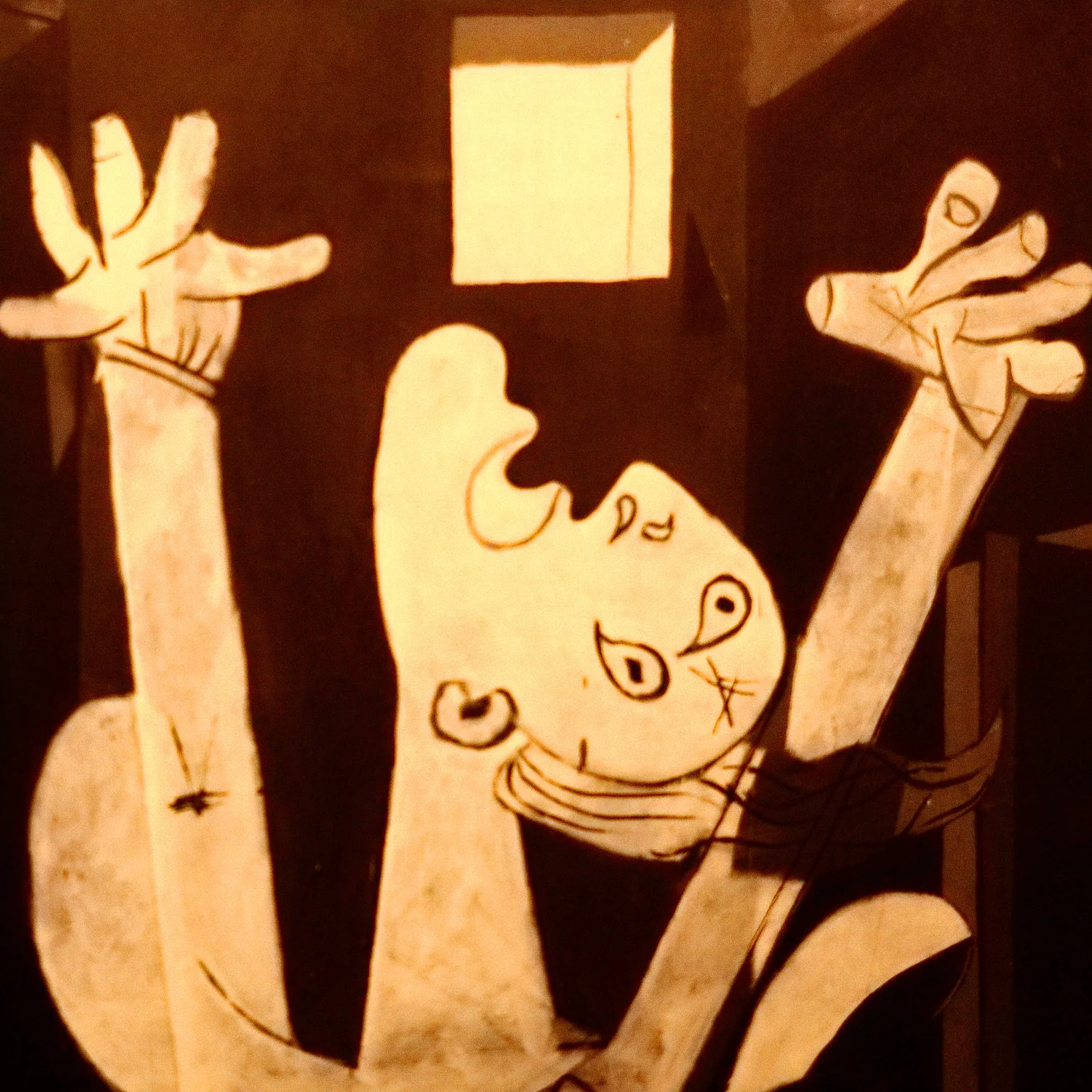
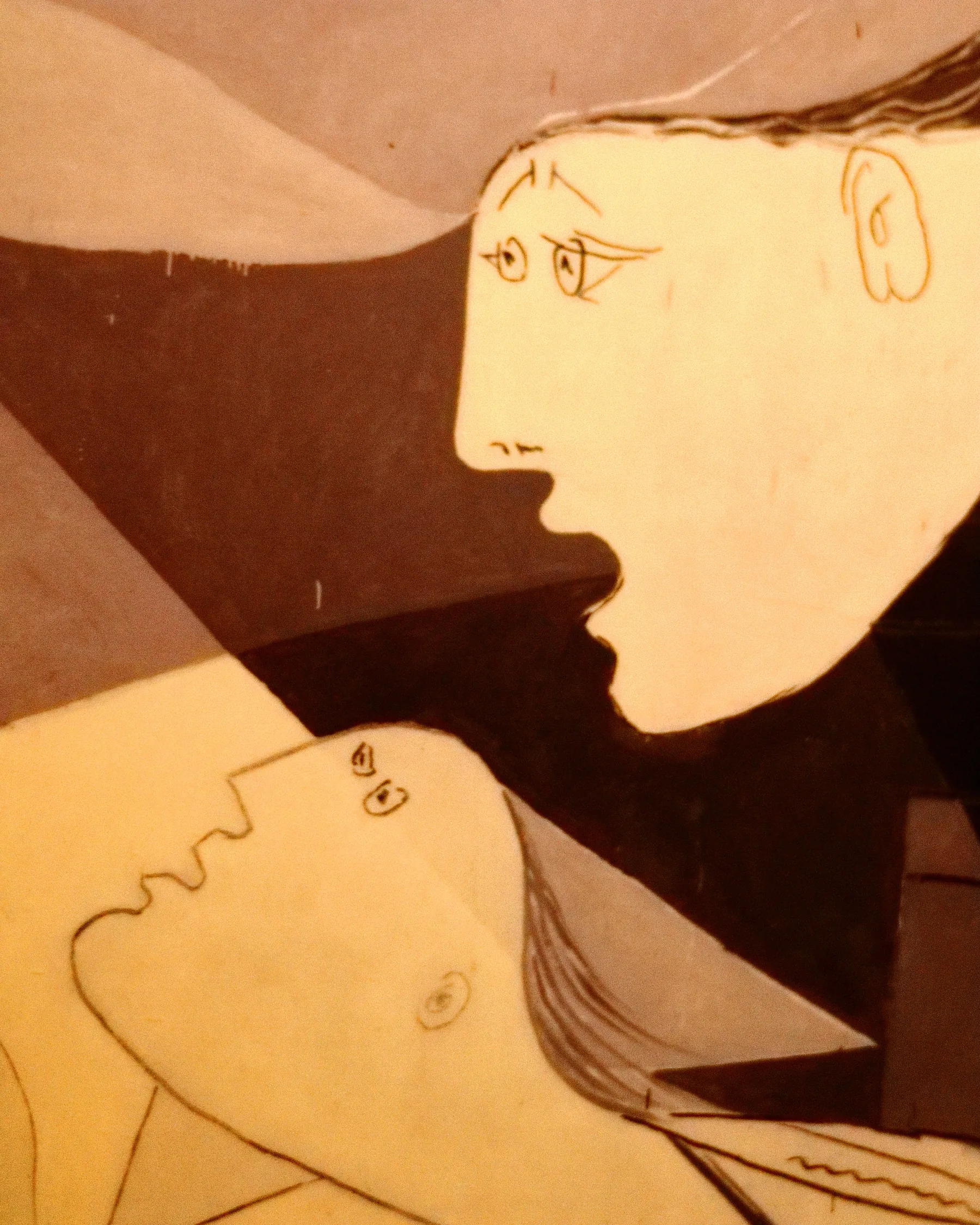
LET’S look at those last two faces again. Really look …
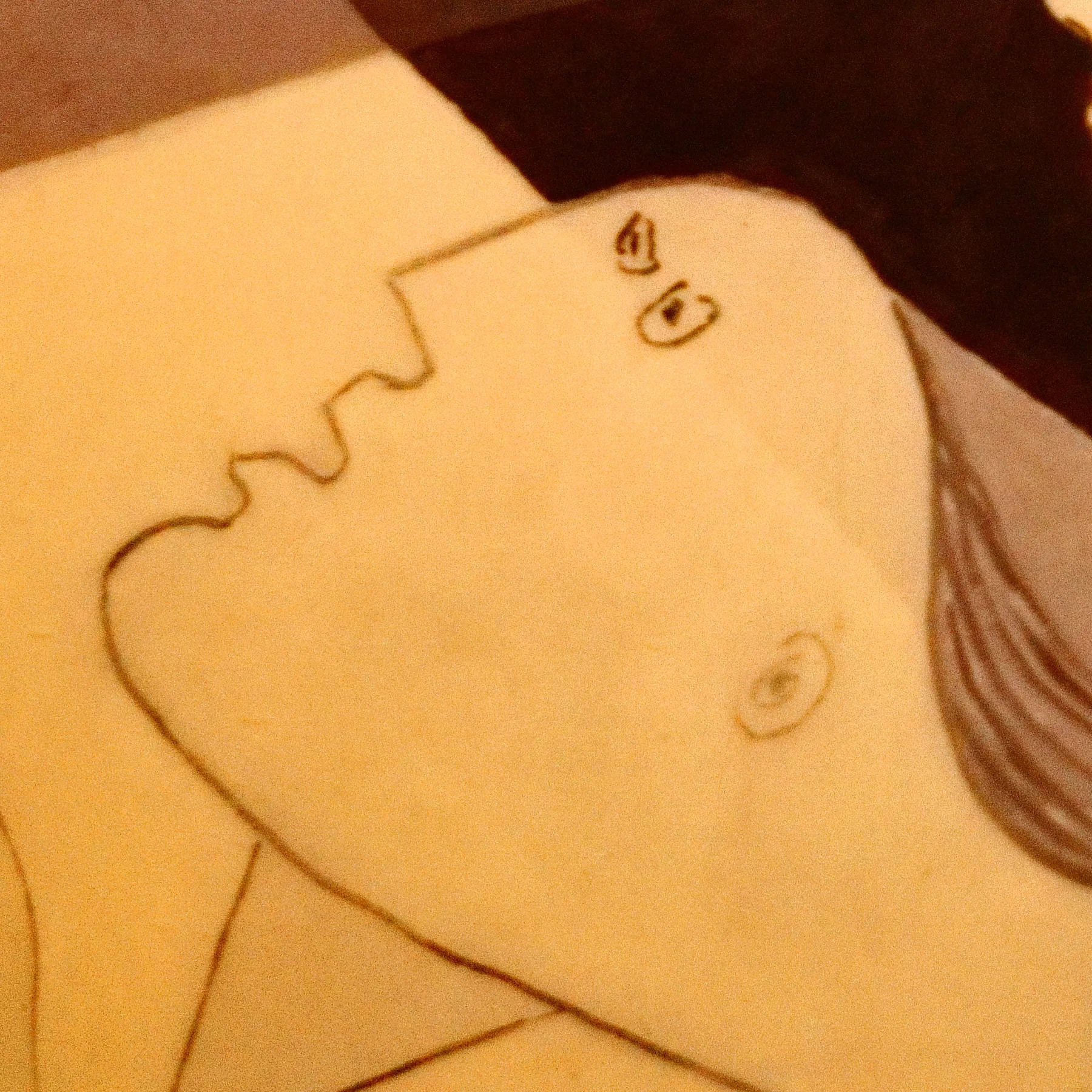
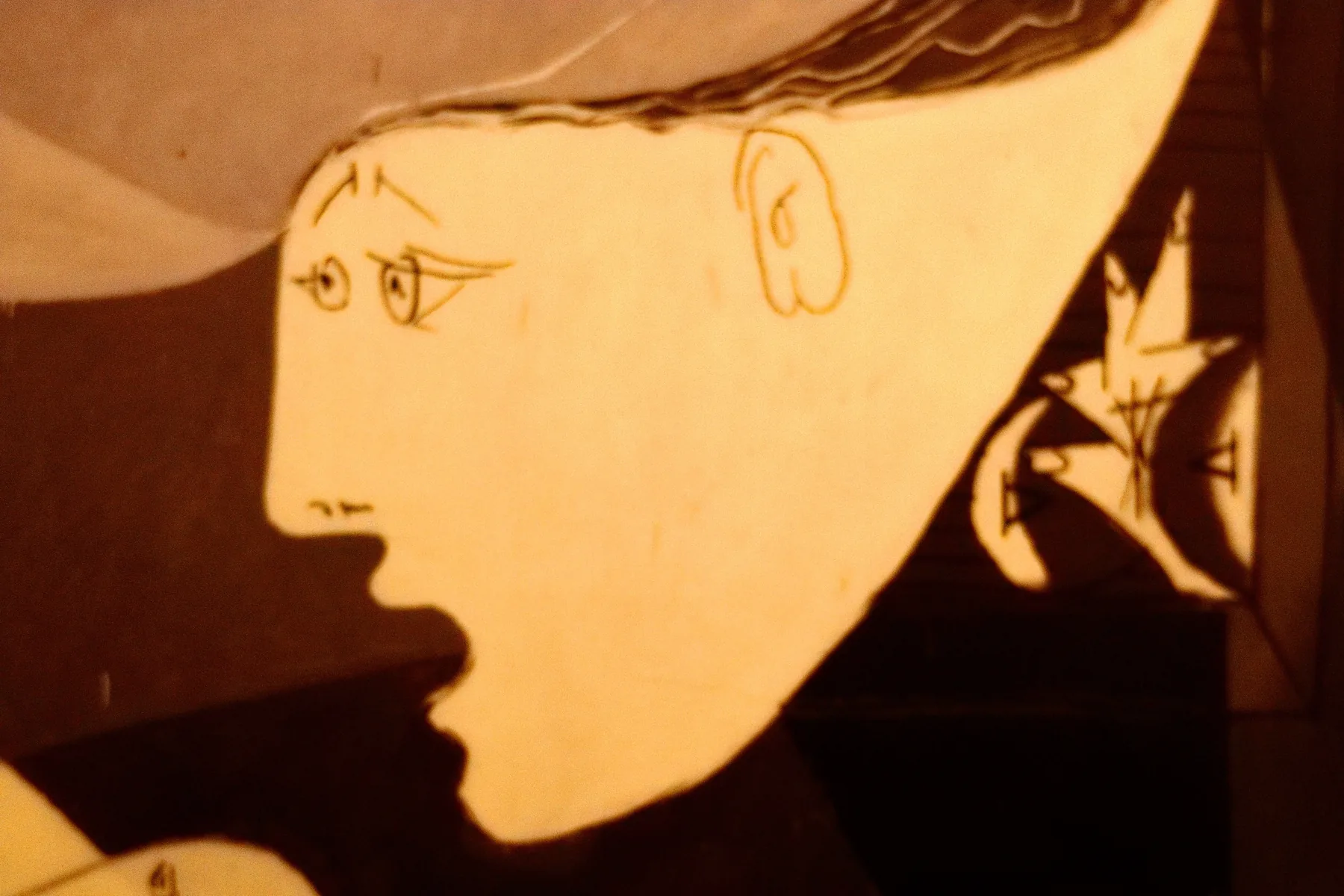
"If you give a meaning to certain things in my paintings it may be very true, but it is not my idea to give this meaning." - Pablo Picasso
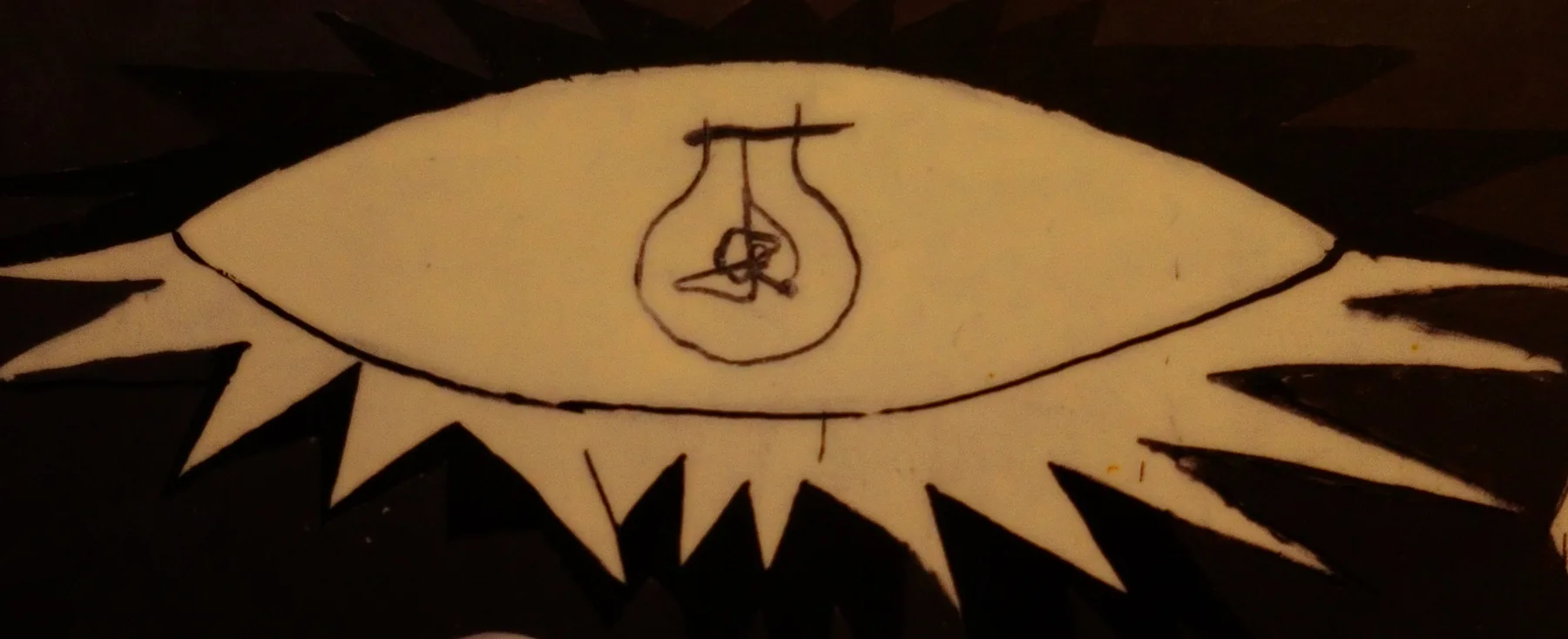
AFTER its unveiling in Paris, Guernica toured Europe and the United States. Picasso declared that it shouldn’t go to Spain until his country was again a republic. Guernica was officially housed at the Museum of Modern Art (MoMA) in New York, but travelled extensively. It didn’t go home without a fight.
Picasso died on April 8, 1973. Franco outlived him by nearly two years, and Spain became a democratic constitutional monarchy in December 1978.
Would that be good enough for Picasso, MoMA asked. After all, a democratic constitutional monarchy was not a republic.
Even so, in September 1981 Guernica was finally exhibited in Madrid — at first behind bomb-and-bulletproof glass. Because Franco’s death didn’t mean the death of Francoism.
We saw Guernica in all its intended ingloriousness at the Reina Sofía in Madrid in June 2015. That’s when we bought a print of it. But the story doesn’t end there.
We had travelled to Spain on our way to Havana. South Africans do not need a visa to visit Cuba. Both governments say so. But Iberia Airlines waited for us to get to the boarding gate for our flight before telling us we did need visas, which we didn’t.
We were not allowed to board, and our luggage went to Havana without us. It remained there for several days before we could catch the next flight to Cuba, now armed with visas we didn’t need. On arrival we discovered our bags had been burgled at the airport, and that our Guernica print had been among the items stolen. Happily, we were able to buy a replacement on our way back from Havana.
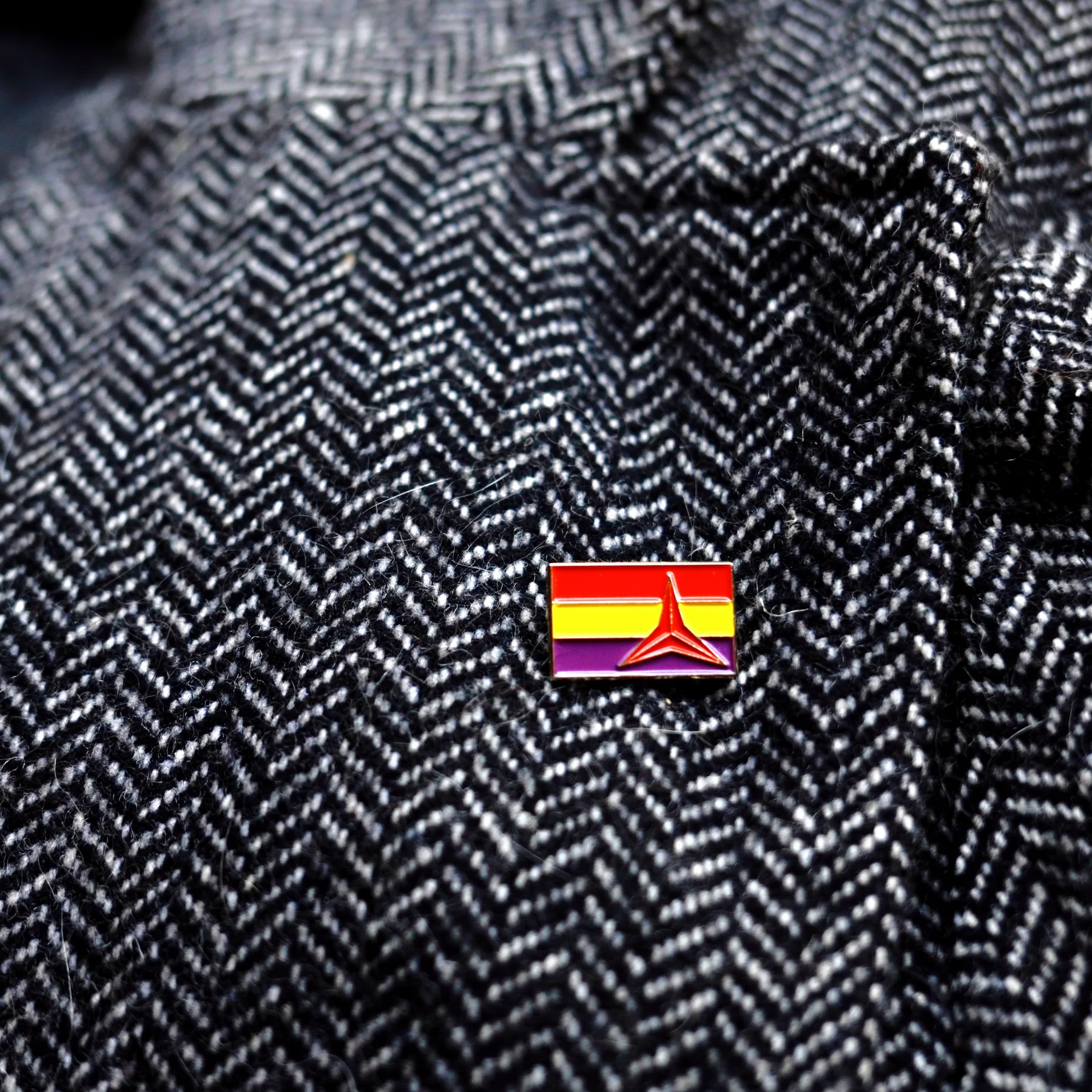
The Spanish Civil War has been an abiding interest since I started reading Ernest Hemingway too many years ago to count. I’ve researched the war and its long and continuing aftermath, and done something related to it on each of my three trips to Spain. I’ve seen and felt the bulletholes in the walls and walked the battlefields. On one tour I was given a lapel pin depicting the flag of Spain’s Second Republic. It’s still on my favourite coat.
I didn’t decide to chop up Picasso’s masterpiece on a whim. Instead I hoped to be able to make us look anew at something that, for many, has become familiar. That cannot be allowed to happen. The evidence of something so evil, whether it happens in Guernica, Gaza, Sudan or anywhere else, can never be allowed to melt into ordinariness.
"When German soldiers used to come to my studio and look at my pictures of Guernica, they'd ask, 'Did you do this?' And I'd say, 'No. You did.'" - Pablo Picasso, attributed
© 2026 Telford Vice. Words and photographs.